


News


Mastering the grill: Why this protein rules South African braais

At the heart of South Africa’s culinary identity lies the braai – that sacred ritual where flames unite communities and create memories. And at the centre of this time-honoured tradition? The unassuming hero that is pork.
From succulent chops that char beautifully to smoky rashers that perfume the air, pork has earned its place as the cornerstone of the South African braai. Whether you’re grilling ribs with generations-old marinades or experimenting with contemporary peri-peri glazes, pork’s remarkable versatility transforms every gathering into a culinary celebration.
The evolution of excellence
South African pork has undergone a remarkable transformation. Today’s cuts – whether sourced from premium supermarkets, artisanal butcheries or farm-to-table markets – represent the pinnacle of quality and safety. Gone are the days of uncertainty; what graces your table now is nothing short of exceptional.
The art of perfect preparation
Pork rewards an informed cook with tenderness and flavour when treated with respect. For best results, target an internal temperature of 63°C for chops and roasts (71°C for ground pork), then allow three minutes for it to rest. This technique preserves juiciness while ensuring safety.
Understanding the protein
Pork’s distinctive rose hue comes from myoglobin – the same protein that classifies it as red meat. This classification speaks to its rich nutritional profile and its rightful place among the most valued proteins in contemporary cuisine.
A nutritional powerhouse
The finest cuts of pork deliver exceptional nutritional value alongside their culinary appeal. Lean cuts are low in fat, high in protein and packed with essential minerals and vitamins.
- Thiamine (Vitamin B1) – your energy spark plug that converts food into fuel.
- Vitamin B6 – supports brain health, blood cells and your immune system.
- Selenium – the cell-protecting antioxidant hero.
- Zinc – essential for tissue repair and immune defence.
- Protein – high-quality protein for muscle-loving goodness.
The culinary and health benefits
When integrated thoughtfully into a balanced diet, pork delivers remarkable benefits:
Strength and vitality – it supports lean muscle maintenance and active lifestyles.
Body composition – research demonstrates lean pork’s effectiveness in reducing body fat while preserving muscle mass.
Cardiovascular health – around 500 to 560g weekly consumption of lean pork aligns perfectly with heart-healthy eating patterns.
Friendly for diabetics – Lean pork has no negative impact on glucose or insulin levels.
The verdict
South African pork represents a confluence of safety, nutrition and flavour. It’s a testament to local excellence that deserves its place at your table.
For more inspiration, head to www.sapork.co.za.

Related posts
-


-
Heritage Day: Why this protein is winning the braai wars
-
It’s affordable, flexible and flavourful....
-
-

-
30 power-cut suppers for when load shedding strikes
-
We’ve compiled a list of delectable recipes that require no...
-
-

-
Where to find sizzling shisa nyama this Heritage Day
-
Go truly traditional with a meal at a local shisa nyama eatery this...
-
Promoted Restaurants
-

The Alba Harties Harbour
Welcome to Harties Harbour, situated in the Kommandonek Wildlife Resort, your one stop venue for the best that Hartbeespoort Dam has to offer. Daily Lunch and...
-
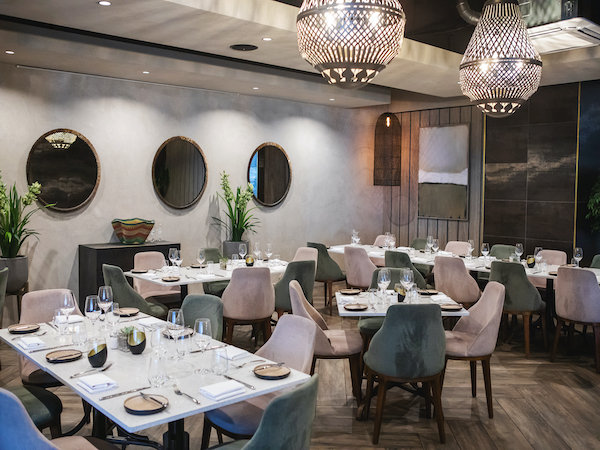
Zest Restaurant
At Zest Restaurant the chefs work behind the open plan kitchen, with its wood fire grill, and can be seen whilst creating delectable dishes. Diners are able to...
-

The Manor at Nederburg
No visit to the Cape Winelands is complete without a stop-over at Nederburg’s family-friendly The Manor restaurant and wine tasting hub in Paarl. Located in the...
-


Judd’s Local
Judd’s Local is a family run business founded in 2017 by Erna Judd & Bryan-John Judd. Starting with a small bakery in the winelands, the Judd’s decided to...
-

Kleine Zalze Restaurant
Kleine Zalze Estate is a reputable producer of a wide range of quality wines. The Kleine Zalze Restaurant offers guests the opportunity to enjoy a relaxed,...
-

Belly of the Beast
Belly of the Beast, situated in the heart of Cape Town, promises a unique dining experience. Inspired by South African cuisine, each course is more...