


News
Winter wines worth savouring: A sommelier’s seasonal picks
Wednesday, April 22nd, 2026

As the mercury drops around the nation, we’re collectively removing our favourite summer quenchers from our virtual shopping carts and seeking out fireside sippers instead. For many of us, this means wine – but in a country with an embarrassment of riches in this area, where to start? There are few voices better placed to guide a seasonal wine conversation than Elton Damon, head sommelier at Eat Out 3-star restaurant La Petite Colombe and winner of the 2026 Eat Out Woolworths Wine Service Award. With this acclaim, you might expect Elton’s eyes to go directly to the top shelf; however, in addition to building a reputation for polished service and a sharp palate, he offers a refreshingly practical view of what people should actually be drinking.
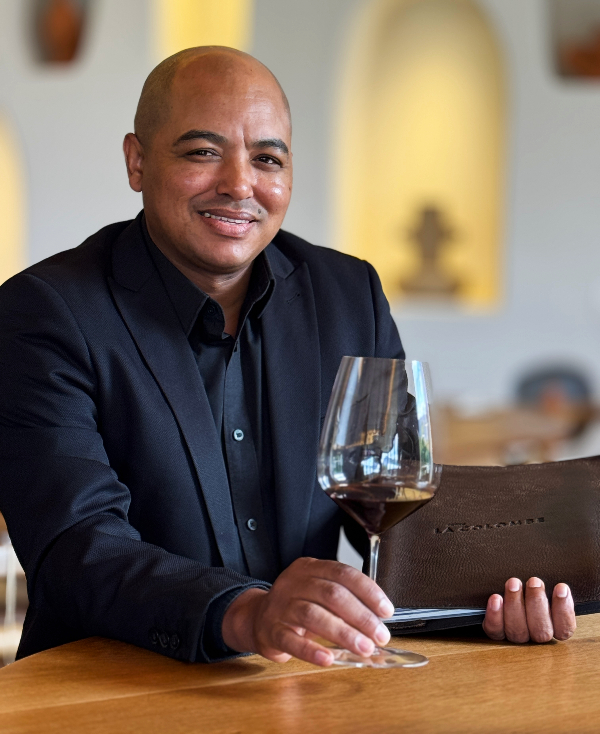
Elton’s journey into wine was grounded in both study and service, beginning in 2011 at Catherine’s Restaurant at Steenberg Estate as a humble bar back for sommelier Higgo Jacobs. Formal qualifications followed through the Cape Wine Academy, WSET and Michael Fridjhon Tasting Academy, while he rose through the ranks at establishments like Cellars-Hohenort, Mondial, Singita and La Colombe. Now, Elton is one of the country’s most respected wine professionals, yet he’s quick to move the conversation away from status or stiffness and towards enjoyment.
“I don’t believe in rigid seasonal rules. Wine is deeply personal, and my selections are always guided by balance, mood and what feels right in the moment,” he shares. Instead, Elton looks to the food as a guide, with elements like freshness, texture and structure determining how a wine interacts with the dish. “In warmer months, I tend to lean towards wines with more acidity and lift to keep things refreshing, while in cooler months, I’ll bring in wines with a bit more depth and richness to match the heartier elements on the menu,” he explains. In other words, the right bottle is the one that works with the meal, and the person enjoying it.
When we look at typical cooler season dishes – such as braised meats, roasts, game, mushrooms, root vegetables and slow-cooked sauces – this makes sense. The richer the dish, the more presence the wine requires. “As we move into autumn and winter, I lean towards wines with texture and structure,” Elton says. “Styles that feel a bit more layered and contemplative.” For reds, he’d naturally gravitate towards classics like Stellenbosch cabernet sauvignon, Bordeaux-style blends, Syrah and Malbec – wines that he says have power in addition to elegance and finesse. Still, Elton warns against confusing winter wines with heavy wines. “I’m not a fan of wines that are overly heavy or one-dimensional,” he says. “Even in winter, I want freshness and energy in the glass, which is why I still enjoy cooler-climate reds.” Pinot Noir, for example, strikes that balance: powerful, but still alive.
Similarly, white wine should not be sidelined once summer ends. Elton points to fuller, bolder whites that come into their own during colder months: oaked Chenin Blanc, Viognier, Roussanne and Cape Mediterranean white blends.
Naturally, when you dine out, you have someone like Elton to guide your wine selection, but what about when you’re at home? If you’re building a winter wine collection, Elton’s advice is straightforward: “Start with what you enjoy drinking.” Instead of chasing trends or collecting bottles because someone said they’re seasonal essentials, assemble a balanced line-up with something you’ll want to open, no matter your mood. A smart home selection could include two structured reds such as Cabernet blend and Syrah, one lighter red such as Pinot Noir or Cinsault, and two richer whites for versatility.
Storage matters more than many realise, especially at home. “The biggest mistake people make is storing wine in the kitchen on that fancy rack next to your stove,” Elton observes. Heat is the enemy of wine, accelerating ageing and flattening freshness. Keep bottles in a cool, dark, stable environment away from direct light and temperature swings. A cupboard in a spare room is better than a decorative rack beside the oven.
Serving temperature is another overlooked detail. In winter, people often over-chill whites and over-warm reds. “If white wine is over-chilled, you lose aromatics and texture,” Elton notes. Whites should be cool, not icy. Reds should be slightly below room temperature, not warmed by the fireplace. A brief stint in the fridge before serving often helps reds show more freshness and balance.
Ultimately, Elton’s message is reassuringly simple. Seasonal wine drinking is not about rules. It’s about matching the moment, with bottles that bring comfort, energy and pleasure to the table. “Wine is all about exploring,” he ends. So open that grocery app, and explore.
Did you know: you can taste the wines that were served at the 2026 Eat Out Woolworths Restaurant Awards? Buy them online.

Related posts
-

-
Why do people really go to bars?
-
Nobody goes to a bar to drink. They go to be distracted, soothed,...
-
-

-
Top wine farm restaurants in South Africa
-
These Eat Out star establishments showcase the perfect marriage of...
-
-
-
To FYN and Beyond: The sister restaurants making mixology magic
-
They're shaking things...
-
Promoted Restaurants
-

The Manor at Nederburg
No visit to the Cape Winelands is complete without a stop-over at Nederburg’s family-friendly The Manor restaurant and wine tasting hub in Paarl. Located in the...
-
RBG Bar & Grill Restaurant
Cape Town travelers appreciate the chic yet inviting ambiance, perfect for savouring a hot soup, fresh salad or regional specialty. All-day dining makes RBG Bar...
-

Yamitsuki
Founded in 2000, Yamitsuki introduced the concept of Japanese style cuisine, presented to customers via a unique conveyor belt system. The experience was fun and...
-

The 11th Floor
ROOFTOP RESTAURANT & COCKTAIL BAR IN BEDFORDVIEW Step into a realm of culinary excellence at our international award-winning restaurant, and be transported to the...
-

Harald’s Bar & Terrace
This relaxing venue is an ideal spot to enjoy a cocktail, wine, or beer in a fun-filled atmosphere. Take in splendid views of Table Mountain and savour tasty...
-

Orangerie at Le Lude
There’s something innately celebratory about visiting an estate like Le Lude that specialises in Methode Cap Classique. Naturally, this adds an extra sparkle...