


News


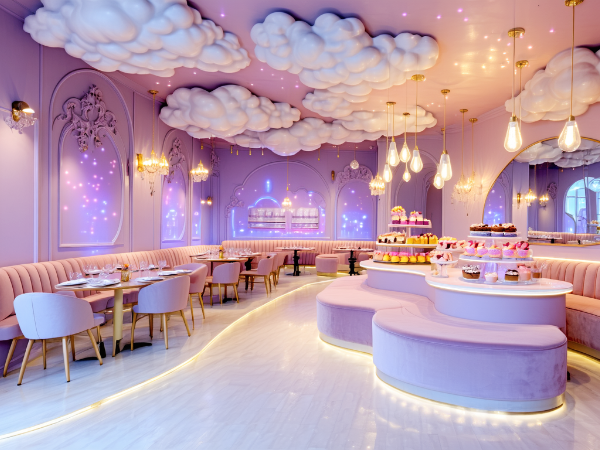
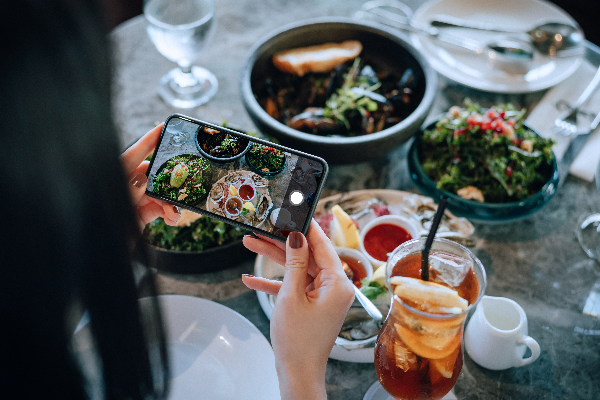
The perfect pour. The shimmer of light catching a glass. A swirl of steam suspended mid-air. In the age of the camera-first diner, restaurants are no longer just places to eat. They’ve become stages for a visual feast. The modern restaurant lives as much on the feed as it does in memory. But as images replace impressions, a quiet question lingers: can a restaurant be too beautiful for its own good?
As the camera eats first, chefs, designers, photographers, and storytellers reflect on beauty, intention, and what makes dining feel real.
Honesty over optics
At Eat Out star restaurant Ouzeri in Cape Town, chef-owner Nic Charalambous cooks for feeling, not filters. His space, with minimalist whitewashed walls and warm wooden touches, reflects the same quiet restraint that defines his food. “If a dish only works under a ring light, it’s not worth serving,” he says. “I don’t cook for photos; I cook for flavour, story, and intention. When the motivation becomes likes instead of taste, it loses its soul.”
For Nic, beauty should follow flavour, not lead it. “I want food that looks beautiful because it tastes good, not the other way around.” It’s a philosophy that extends naturally to how he shares his work.
This approach resonates across the industry. Jess van Dyk, chef-owner of Eat Out star restaurant Post & Pepper in Stellenbosch, emphasizes the same principle of intention over optics. “All our food first has to taste amazing,” she says. “We never start by thinking how visual or Instagrammable we can make it — always flavour and taste first, then comes the ‘pretty.'” Her dishes are designed to delight the palate before they ever reach the camera.
Lise Manley, founder of Manley Communications and a communications expert in the hospitality sector, sees honesty as central to lasting connections. For her, the conversation stretches beyond a single plate to the rhythm of a restaurant. “Instagrammable means something different in every place. It’s about how people connect with their surroundings and what makes them stop and look twice.”
Designing emotion, not aesthetics
For Irene Kyriacou, interior designer and creative director for the Marble Restaurant Group, a restaurant’s soul comes from feeling, not photography. “When designing a space, I always consider feelings, energy and atmosphere first; the way it photographs has never been my guide,” she says. She purposefully incorporates identifiable moments — art, fixtures, or floral arrangements — that diners instinctively connect with. Creating that emotional balance requires collaboration. Working closely with chefs and the front-of-house team allows her to design environments that reflect the restaurant’s rhythm and intent. “I need to understand the goal of the service experience and design with this in mind,” Irene explains.
Her design philosophy leans on subtlety: “More is not more,” she says. “The soul of the room is ignited when you add intention to your work without overdoing the ‘wow’ pieces.”
Photographer and Eat Out Magazine editor Hanfred Rauch, who specialises in capturing visual stories for restaurants and brands, echoes the importance of subtlety in design: “You know a space is too deliberate when everyone comes back with the same pictures,” he says. For Hanfred, subtle details — symmetry, textures, and how light interacts with the space — create the most compelling, authentic photographs.
Even in a social media-driven world, Irene remains intentional: “I allow the space, the layout and the location to speak for themselves. The only time Instagram influences our work is on a marketing platform for social content.” Irene and Hanfred remind us that the most memorable restaurants combine thoughtful design with effortless energy, letting diners experience both style and soul.

Capturing the mood
Hanfred sees restaurants through the lens of storytelling, starting with light. “Before I look at the details, like the decor, I look at what the light does. That’s what tells me a story,” he says. “A subject lit by a window with an interesting stranger in a pool of light… that’s intriguing. The story starts telling itself.”
For Hanfred, photography isn’t just about aesthetics — it’s about capturing what can’t be staged. People’s expressions, fleeting gestures, or the way diners interact with their surroundings all convey the atmosphere of a space.
Lise highlights why this matters. “It used to be about getting the perfect shot,” she explains. “Now it’s about capturing moments. The posts that feature people behind the food — the energy, the laughter, the small imperfections — always perform better. Diners want to connect with faces, not just plates.”
Their work reveals a quiet truth: photography, like cooking, is an act of presence — a way of witnessing and amplifying the lived experience of a restaurant.
Beyond the scroll
Across conversations with chefs, designers, photographers, and storytellers, one truth stands out: sincerity lasts where spectacle fades.
“For me, a space needs to evoke the senses beyond the intention of coming in to eat. I want diners to remember the energy above all,” says Irene.
Jess puts it simply: “Post & Pepper has a personality — people will forget what you feed them, but not how you made them feel.”
Perhaps that’s the shift we’re seeing in dining culture: moving beyond the perfect shot and toward the moments that actually stay with us. The laughter, the shared glance, the pause after a bite — these are the things that linger, long after the photos are forgotten.


Related posts
-

-
Are we seeing a revival of the classic steakhouse?
-
"The steakhouse experience has never been...
-
-
-
The realities of expanding a restaurant business: Insights from SA chefs
-
The conversation around building a restaurant empire requires more...
-
-
-
More than good service: How SA restaurants are mastering the art of hospitality
-
In the world's top restaurants, an excellent dining experience...
-
Promoted Restaurants
-

Belly of the Beast
Belly of the Beast, situated in the heart of Cape Town, promises a unique dining experience. Inspired by South African cuisine, each course is more...
-
RBG Bar & Grill Restaurant
Cape Town travelers appreciate the chic yet inviting ambiance, perfect for savouring a hot soup, fresh salad or regional specialty. All-day dining makes RBG Bar...
-

Yamitsuki
Founded in 2000, Yamitsuki introduced the concept of Japanese style cuisine, presented to customers via a unique conveyor belt system. The experience was fun and...
-

Harald’s Bar & Terrace
This relaxing venue is an ideal spot to enjoy a cocktail, wine, or beer in a fun-filled atmosphere. Take in splendid views of Table Mountain and savour tasty...
-

Grande Roche Restaurant
Grande Roche Restaurant is a grand old lady with a fresh set of pearls and vibrant lipstick. Chef Kevin’s food style is an ever evolving feeling and depends...
-

3 Kitch3ens at Silver Forest
3 KITCH3NS is a vibrant colourful Restaurant and Bar based at the Beautiful Silver Forest, at the foot of the Helderberg Mountain surrounded by Trees. As the name...