


News
Flavours of home and honouring the food stories that define us
Friday, July 25th, 2025

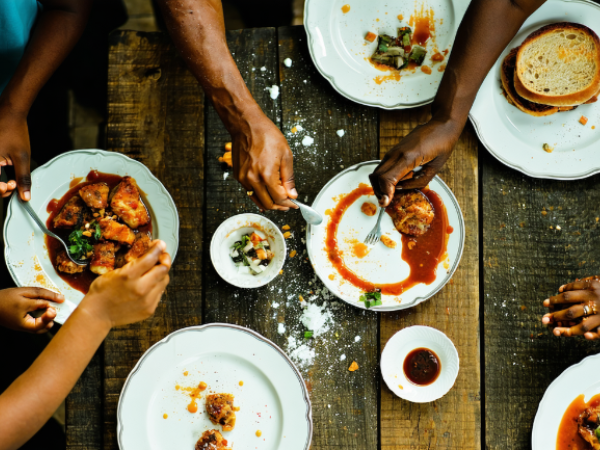
It’s important to understand how, with a constantly evolving food landscape of culinary trends and adapted recipe techniques, traditions and heritage should never be lost: Whether it’s a dusty and faded handwritten recipe journal discovered in the back of a cupboard shelf, or a fortunate discovery of a relative’s old cooking pot, food stories are part of a history from a time and experience that crucially needs to be shared and passed on. In exploring how the cultural practices and culinary traditions intersect, it can often be traced back to food systems that were (and still are) everything, encompassing both food representation and historical diversity of place.
Shared stories
“South Africa is a young cuisine on the world stage. We have a responsibility to our guests, both local and foreign, to put South African ingredients and traditions at the forefront of the dining experience, and to be proud of our unique culinary heritage – it’s an introduction to who we are,” shares chef Bertus Basson (and restaurateur of Eat Out star restaurants Eike, Spek & Bone, CHORUS and Clara’s Barn). But Bertus, the recipient of this year’s Eat Out Woolworths Trailblazer Award, says there’s a caveat: “Telling stories through food and service only matters if they are authentic. It has an impact on the experience if the guest can both understand and relate to the narrative.”
An eating experience can be both transformational and highly educational in the most humbling and gracious of ways, and Wandile Mabaso, chef-owner of Eat Out one-star restaurant Les Créatifs, shares: “Humble storytelling should be woven through the DNA of the restaurant – it’s those stories that give a background identity to the dining space, the cuisine, or the chef and team ethos. Guests can then gain a deeper understanding of the culture behind the creativity – and develop greater appreciation for what is shared – by sharing a generosity of one’s storied background.”
Homegrown
Where one is, restaurant location-wise, is one thing. Where one is from is often further reaching – a paradox of “I’m here, but I’m from over there”.
“The presentation, look and feel of a dish can convey a familiarity from memory – and that can be either yours or ours. The story of a dish can be set in a tone that creates feelings of nostalgia and fond familiarity,” says Wandile. “Regionality is very important, because a country can have many cultures from different geographical regions, which is certainly so in South Africa, and so the story, history and food traditions can vary greatly.”
With a vast cast on the South African dining scene, Bertus has never forgotten to trace his own footprints back to wherever he’s been or currently finds himself. “Each region in South Africa has unique ingredients, and incredible food traditions that are so special. I also especially have a lot to celebrate in my immediate surroundings. However, you will also do yourself a great disservice by not looking further out.”

Cultural diversity
South African cuisine is not a ‘singular’ identifiable thing and is not static – it continues to be redefined and will continue to be for generations to come. It’s for acknowledging our broader culinary identity that we can appreciate that which is such a vast and interconnected heritage of our personal experiences. “Every single cook in South Africa carries a responsibility to preserve our traditional South African cultural cooking methods and recipes for the future… We need to breed a positive culture of celebrating our culinary history, while creating space for it to renew itself. Come on, man, keep your Ouma’s recipe books!” says Bertus. “The Eat Out Woolworths Restaurant Awards have a massive responsibility and play a big role in promoting South African cooking and talent. The Awards celebrate the food and restaurant scene in a country of such diverse cultures and talents.”
By taking inspiration from our plentiful and bountiful culinary traditions across the vast geographical realms of our beautifully abundant country, and the special cultural impact of food history contributions shared through our unique histories and cultural traditions, it offers us an enriched inspiration towards our generous and encouraging food narrative.

Related posts
-

-
Enter now: The S.Pellegrino Young Chef Academy is open for applications
-
It's more than a culinary...
-
-
-
How Melfort’s chef Tasmin Reed turned an auto-immune disease into culinary purpose
-
“Melfort is a restaurant that depicts how food can...
-
-
-
Excellence, innovation and the future of South Africa’s culinary scene
-
Driving the local food scene...
-
Promoted Restaurants
-

The President Hotel – Restaurant Group
The President Hotel has a host of dining options available under one roof. Whether you’re in the mood for a romantic dinner, casual coffee, quick lunch or hearty...
-

Evita se Perron
Our café is open 6 days a week for breakfast & lunch and you can sit down inside or outside and order from our café menu. No table bookings, walk-ins only. We are...
-

The Alba Harties Harbour
Welcome to Harties Harbour, situated in the Kommandonek Wildlife Resort, your one stop venue for the best that Hartbeespoort Dam has to offer. Daily Lunch and...
-

96 Winery Road Restaurant
This venerable place has been part of the fabric of Stellenbosch for so long that they must be doing something right. The many people who love coming here just...
-
Zest Restaurant
At Zest Restaurant the chefs work behind the open plan kitchen, with its wood fire grill, and can be seen whilst creating delectable dishes. Diners are able to...
-

The 11th Floor
ROOFTOP RESTAURANT & COCKTAIL BAR IN BEDFORDVIEW Step into a realm of culinary excellence at our international award-winning restaurant, and be transported to the...