


News


Magazine teaser
Imagine if an AirTag were popped into a crate of Italian tomatoes to track their food miles. Where in the world would the tomatoes end up? What would their carbon reading be? How many hands would the tomatoes have passed through? No doubt a few tomatoes would have been sniffed, transporting the epicurious to the Italian countryside, salivating at the thought of eating a tomato that actually tastes as it should (unlike the under-ripe ones found on our supermarket shelves).
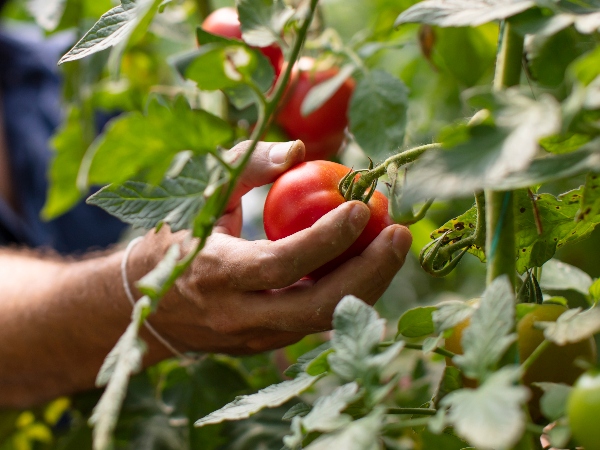
The term hyperlocal has risen in popularity, garnering debate about how food is sourced. There is no definition of the exact sourcing radius or proximity to a restaurant – some say 50 kilometres; others think within the same province or country. But what does “hyperlocal” actually mean? It’s when chefs choose to work with local suppliers, reducing their carbon footprint, supporting the community in which they operate, and ensuring their ingredients are fresh, in season and therefore the most nutrient-dense for their diners. This practice leads to strong relationships, contributing to a more sustainable, local circular economy.
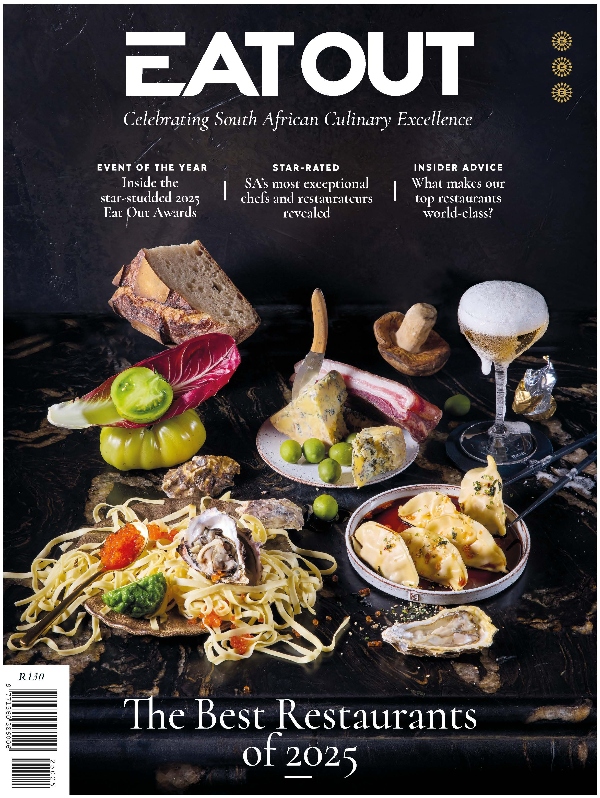
To read the full story, grab your copy of the 2025 Eat Out Magazine – on shelf at your nearest Woolies or online for R130.


Related posts
-

-
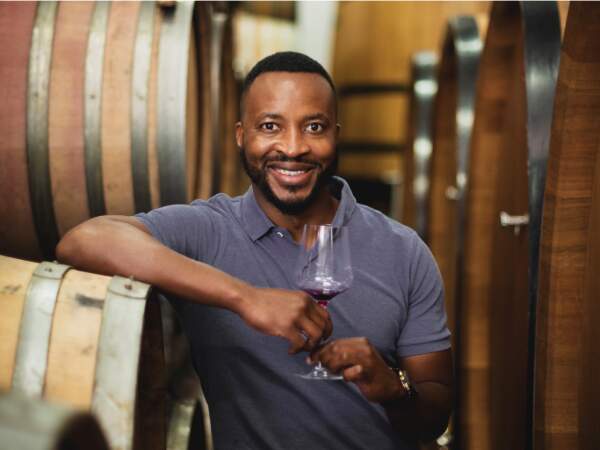
Creating connection: Sommelier Tinashe Nyamudoka on finding beauty in wine
-
It's never just a drink with...
-
-
-
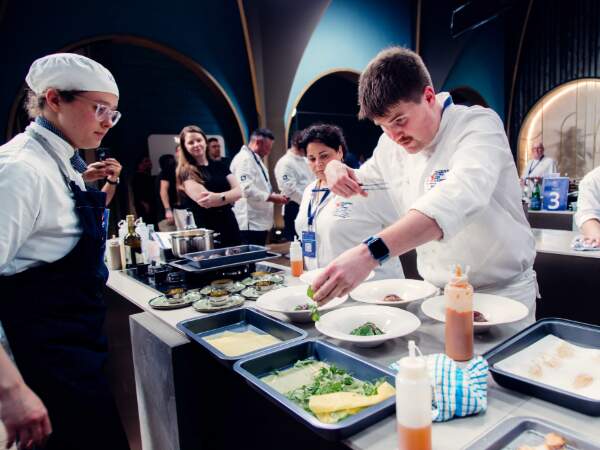
Enter now: The S.Pellegrino Young Chef Academy is open for applications
-
It's more than a culinary...
-
-

-
Announced: The Eat Out Special Awards
-
Stay updated on the Eat Out Woolworths Restaurant...
-
Promoted Restaurants
-

Stefan’s at Erinvale Estate Hotel & Spa
Experience a lavish Table d’hôte menu at our latest restaurant; with flavours and inspiration from all over the world, their extremely talented Chef Stefan and...
-

Bistro31
Bistro31 Bar & Eatery is based on the Ground Floor of the DoubleTree by Hilton Cape Town Upper Eastside hotel. We are open from 06:30 to 23:00, for breakfast, lunch...
-

Rust en Vrede Restaurant
Chef Fabio Daniel’s ingenuity lies in his ability to put his Italian-Brazilian heart on a plate using fresh South African ingredients and classic French...
-

3 Kitch3ens at Silver Forest
3 KITCH3NS is a vibrant colourful Restaurant and Bar based at the Beautiful Silver Forest, at the foot of the Helderberg Mountain surrounded by Trees. As the name...
-

Blowfish Restaurant
Though the menu is vast, the main reason to be here is for fish which is SASSI certified. Displayed in the fridges, choose the kind you want, have it weighed...
-

Cowfish
Cowfish is known for its Asian inspired burgers, sushi, dim sum and grills. Instagram:...