


News


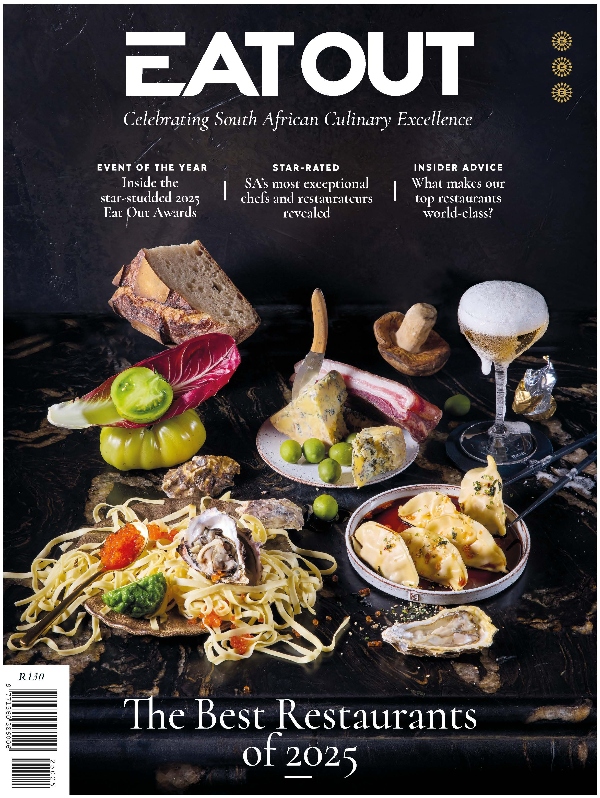
Eat Out Magazine teaser
The first time I came across the saying “the future lies in the past”, it felt as though something clicked into place. It was like suddenly remembering a past scent and finding it the next day at the store, or cooking a recipe from muscle memory and tasting the nostalgic joys of your grandmother’s food. That is my culinary connection of past and present, and the ways in which our ancestors created our future.
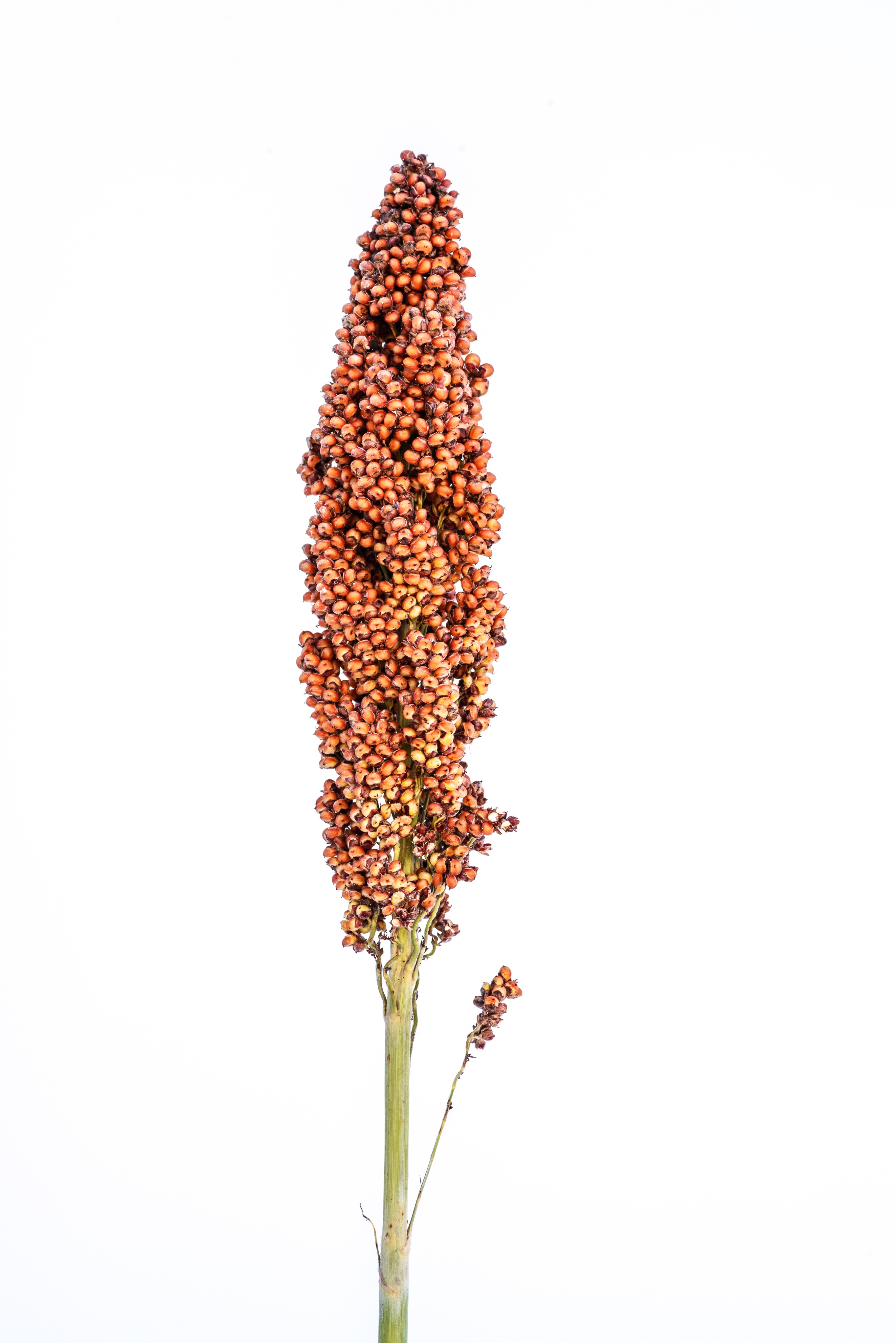
Sorghum plant
A look to the past
The simmer of indigenous ingredients to the culinary forefront has felt like a renaissance of indigenous food systems in modern living – from matriarchs in small hometown kitchens to fine-dining restaurants in Cape Town. Food has always been a conduit of storytelling, and a tell of time. Did you know the Basotho calendar begins in August, which is called “Phato” in Sesotho, based on the ploughing of the fields for the anticipated growing season? This calendar is significant in the way it centres plants such as sorghum in the naming of the months, with February (Hlakola) named for the emergence of the ears of corn signalled by the release of a white substance, known as modula, which is wiped off (ho hlakola). May (Motsheanong) comes from the contraction of motsheha dinong (one who laughs as birds) – this is the month in which sorghum grains become hard, and the plant is said to laugh at the bird that can’t eat its seeds.
Our stories lie in the indigenous crops around us and follow us everywhere – which is why knowing the cultural significance of our food and the need for its preservation becomes the foundation of building a local food culture and solidifying its identity.
To read the full story, grab your copy of the 2025 Eat Out Magazine – on shelf at your nearest Woolies or online for R130.

Related posts
-


-
Creating connection: Sommelier Tinashe Nyamudoka on finding beauty in wine
-
It's never just a drink with...
-
-
-
Enter now: The S.Pellegrino Young Chef Academy is open for applications
-
It's more than a culinary...
-
-

-
Announced: The Eat Out Special Awards
-
Stay updated on the Eat Out Woolworths Restaurant...
-
Promoted Restaurants
-

The President Hotel – Restaurant Group
The President Hotel has a host of dining options available under one roof. Whether you’re in the mood for a romantic dinner, casual coffee, quick lunch or hearty...
-

Taste of Thai
The Most Authentic Thai Restaurant in South Africa Our Multi Award winning establishment offers a little genuine glimpse of Thailand in Hilton. through a journey of...
-

Tempo Luxury Restaurant
Tempo Luxury is a premier fun-dining restaurant strategically nestled in the heart of North of Johannesburg. Renowned as a luxury hybrid restaurant, we seamlessly...
-

3 Kitch3ens at Silver Forest
3 KITCH3NS is a vibrant colourful Restaurant and Bar based at the Beautiful Silver Forest, at the foot of the Helderberg Mountain surrounded by Trees. As the name...
-

The 11th Floor
ROOFTOP RESTAURANT & COCKTAIL BAR IN BEDFORDVIEW Step into a realm of culinary excellence at our international award-winning restaurant, and be transported to the...
-

Cowfish
Cowfish is known for its Asian inspired burgers, sushi, dim sum and grills. Instagram:...