


News


Japanese craftsmanship is defined by intentionality, balance and quiet mastery – the relentless pursuit of perfection not for spectacle, but for harmony. Nowhere is this philosophy more beautifully expressed than in Japan’s great whiskies, where tradition and innovation coexist with remarkable restraint. Toki Blended Japanese Whisky and Hibiki Japanese Harmony Whisky embody two expressions of this mastery: one modern and progressive, the other timeless and orchestral. Roku Gin completes the picture as a contemporary extension of the same ethos.
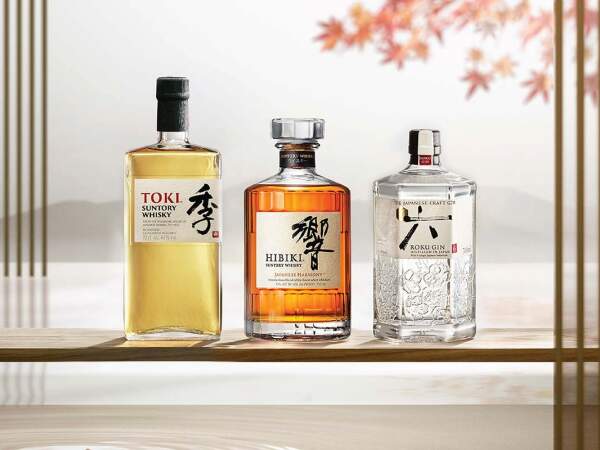
Understanding Japanese craft philosophy
“Japanese craftsmanship is rooted in monozukuri, a philosophy of making that prioritises discipline, process mastery and continuous improvement,” explains Leah van Deventer, drinks writer, educator and judge. “In spirits, this translates to tighter process control and refinement through repetition and systems thinking.”
“The House of Suntory whiskies are created with a focus on continuous improvement inspired by Japanese nature and people, which translates to wa, and drawing on Japanese craftsmanship, monozukuri and omotenashi, which represent how unique and authentic Japanese hospitality is,” explains Alexander Wolańczyk, The House of Suntory brand ambassador. “Our flavour philosophy is that Suntory products should be subtle and refined, yet complex. Just like Japan’s unique cuisine,” he continues, highlighting that true luxury is quiet and favours precision over bravado, and balance over intensity. In Japan, perfection is not loud, it is considered.
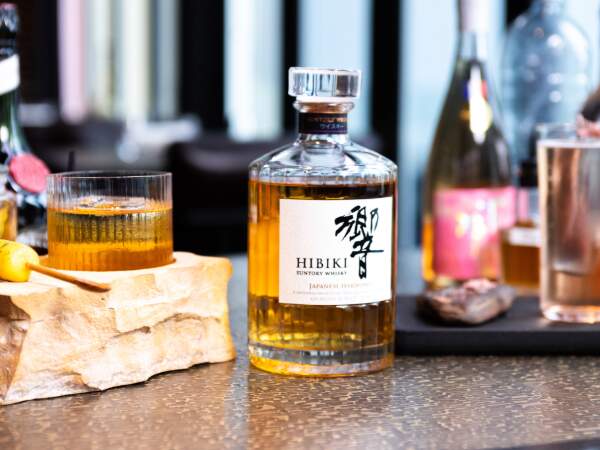 Hibiki: Blending as art form
Launched in 1989 for Suntory’s 90th anniversary, Hibiki is meticulously blended and values balance above all else. The whisky combines multiple malts and grains from Yamazaki, Hakushu, and Chita distilleries, with master blenders evaluating hundreds of samples to achieve the final blend. Hibiki is not designed to dominate the palate, but to evolve with it – revealing layers quietly, patiently and beautifully.
“Hibiki draws on a matrix of malt styles, grain whiskies and cask regimes designed from inception to be blended, where the primary goal is achieving harmony,” explains Leah. The distinctive 24-faceted bottle references Japan’s traditional lunar calendar, connecting the liquid to seasonal cycles central to Japanese culture.
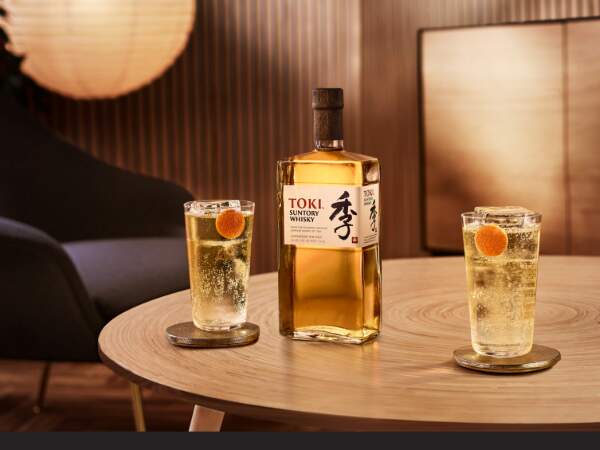
Toki: Tradition meets accessibility
Toki (meaning “time” in Japanese) represents modern Japanese whisky. “Suntory Toki whisky embodies the modern and traditional spirit of Japan through its innovative blend (with equal parts grain whisky), an elegant, minimalist design reflecting Japanese aesthetics, and a connection to cultural heritage through its name meaning ‘time’, symbolising Japan’s balance between respect for the past and openness to the future,” says Alexander. Using exclusively Japanese water and ingredients, Toki represents how Japanese whisky adapts without losing its soul; it’s designed to be enjoyed in new ways while remaining unmistakably Japanese.
 Roku: Gin with Japanese character
Roku Gin applies Japanese principles to gin production, combining six Japanese botanicals – sakura flower, sencha green tea, yuzu, and sansho pepper among them – with traditional gin botanicals. Each Japanese ingredient is harvested at peak season.
“Terroir and seasonality are informative factors in the production of exceptional gin; however, distillation prowess will ultimately determine whether those characteristics translate into a quality product,” explains Leah. “As with cooking, a skilled chef can elevate limited ingredients through technique, while an unskilled one can easily compromise even the best raw materials.”
Alexander notes that “[using ingredients] fresh at the height of the season adds great freshness to the final product.”
While whisky tells the deeper, more contemplative story, Roku shows how the same craftsmanship can be translated into modern, vibrant drinking culture and demonstrates that Japanese excellence extends beyond whisky. It’s a mindset, not a category.
Three expressions, one philosophy
Toki, Hibiki and Roku are expressions of a philosophy that extends far beyond the drinks industry. Each offers a different lens on Japanese mastery: Hibiki represents harmony perfected through meticulous blending, Toki embodies tradition reimagined for modern accessibility, and Roku demonstrates precision made contemporary through seasonal botanical selection. Together, they illustrate that Japanese excellence is not about chasing trends or pursuing extremes, but about creating something so well balanced, so intentional, that it stands quietly apart. These spirits prove that true mastery speaks in whispers, not shouts.

Related posts
-

-
Shaken and smoked: a cocktail rooted in the soul of KwaZulu-Natal
-
KwaZulu-Natal is a province that demands all your senses. You hear it...
-
-
-
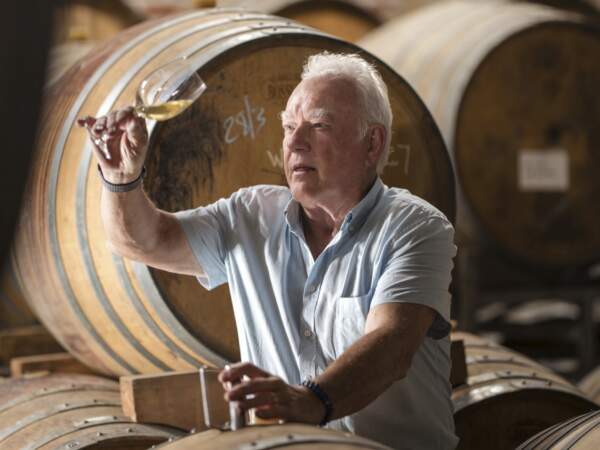
WATCH: The enduring legacy of Ken Forrester
-
We sat down with the legendary...
-
-
-
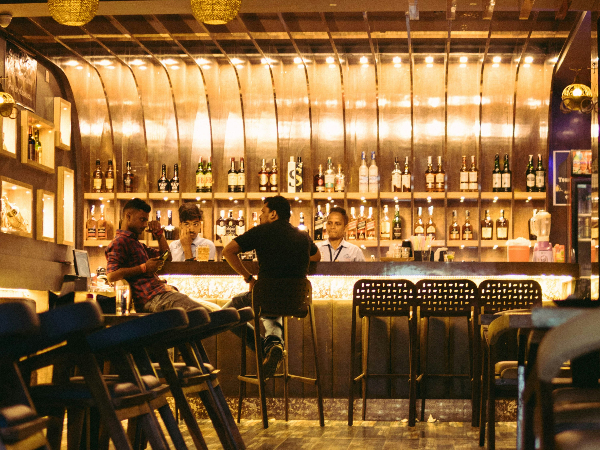
Why do people really go to bars?
-
Nobody goes to a bar to drink. They go to be distracted, soothed,...
-
Promoted Restaurants
-


Judd’s Local
Judd’s Local is a family run business founded in 2017 by Erna Judd & Bryan-John Judd. Starting with a small bakery in the winelands, the Judd’s decided to...
-

The Manor at Nederburg
No visit to the Cape Winelands is complete without a stop-over at Nederburg’s family-friendly The Manor restaurant and wine tasting hub in Paarl. Located in the...
-
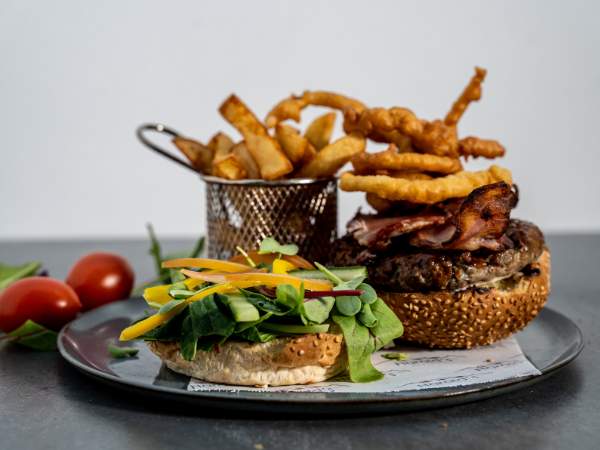
RBG Bar & Grill Restaurant
Cape Town travelers appreciate the chic yet inviting ambiance, perfect for savouring a hot soup, fresh salad or regional specialty. All-day dining makes RBG Bar...
-

Bistro31
Bistro31 Bar & Eatery is based on the Ground Floor of the DoubleTree by Hilton Cape Town Upper Eastside hotel. We are open from 06:30 to 23:00, for breakfast, lunch...
-

De Grendel Restaurant
De Grendel is an inner city wine farm restaurant that forms part of the Durbanville wine route. The estate is great for locals who want to experience a full...
-

Belly of the Beast
Belly of the Beast, situated in the heart of Cape Town, promises a unique dining experience. Inspired by South African cuisine, each course is more...