


News
Star flavours: how La Colombe elevated the charcuterie board
Thursday, July 10th, 2025

Spending an afternoon or evening at Eat Out three-star restaurant La Colombe is about so much more than what you put in your mouth. Every aspect of the guest experience has been carefully thought out and planned, from the moment diners step through the doors to the moment they step back out, and there is, of course, no shortage of theatrics.
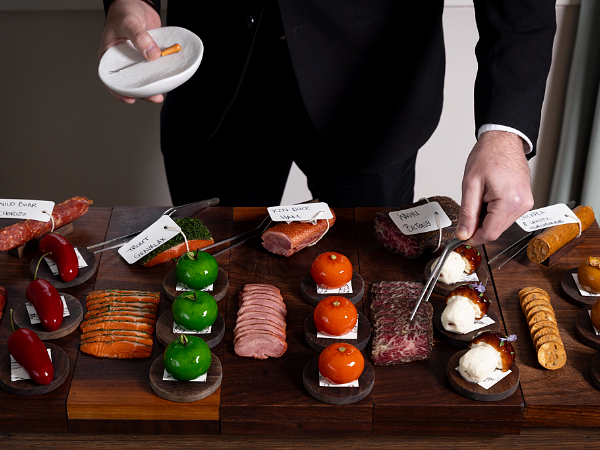
The restaurant’s charcuterie dish plays into this foodie drama in the perfect way. A trolley is wheeled to each table and diners can choose the cured meat and accompaniment that calls to them on the day. The accompaniments take things a step further, as each is shaped into such a realistic-looking fruit or vegetable that guests couldn’t be faulted for assuming they were the real thing. Happily, they’re made up of so much more than a simple tomato, apple or mushroom.
To find out more about this spectacular dish and just how it came to be, we chatted to executive chef James Haag. Here’s what he had to say…
What inspired this dish? Is there a personal story or specific influence behind it?
I’ve always enjoyed charcuterie and the process behind it but we never had the space before to do it in the volumes we needed to serve in a restaurant like La Colombe. Being German, cold meats is a big thing for us and I think it’s really just what I enjoy eating.
What are the key ingredients and why were they chosen?
There are five – something for everyone, really. Wagyu biltong, cured fish, cured game, cured pork and a vegan alternative. With each cured meat, we have made an accompanying spread, in the form of a paté, mousse or rillette.
Are there any unexpected ingredients or flavour combinations that make the dish unique?
I think they are more complementing flavours and textures than unexpected, as we use up the trimmings from the charcuterie part of the display in the spread, in an effort to minimise any waste.
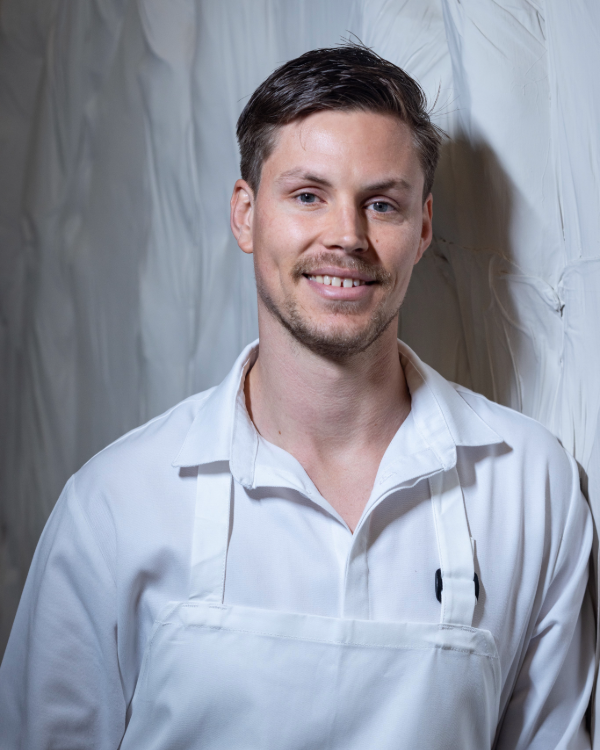
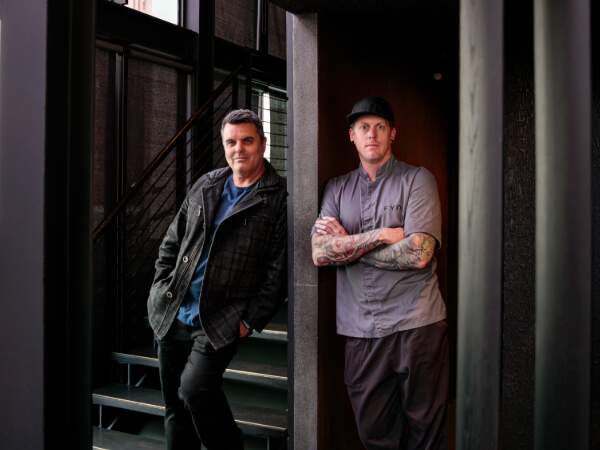
Executive chef James Gaag
What’s the most technically challenging part of making this dish
You’re really relying on time, moisture, acidity and so on in the hope that when you cut open that chorizo, duck or biltong it has developed the flavours you’d hoped for and is as delicious as you had imagined it would be… I think over the last while we’ve managed to become quite good at it .
Is there a particular technique or piece of equipment essential to its preparation?
Dry curing, air curing and smoking.
Did this dish go through multiple iterations? What changed and why? How long did it take to perfect the final version?
As with any of our dishes, it took a lot of trial and error. Custom pieces needed to be made and the initial trials took about eight weeks before we could slice the first charcuterie. The perfect final version is constantly evolving.
Was there a breakthrough moment in developing it?
Not really one thing. I think all the different stages, from preparation to presentation and ultimately serving, all needed to fall into place to give the dish the impression we wanted it to.
View this post on Instagram
Did you test it with your team or guests before putting it on the menu?
First the team, yes, then a few regular guests to test and then onto the menu.
Is there a specific way you would like guests to eat or interact with the dish?
Enjoy it.
What does this dish say about your approach to cooking or your culinary philosophy?
Creative and bold cooking, adventurous but still real food.
What do you want guests to feel as they’re eating it?
I want it to become a memory, something that they will remember in weeks and months to come.
Book your table at La Colombe to experience this show-stopping dish for yourself.


Related posts
-

-
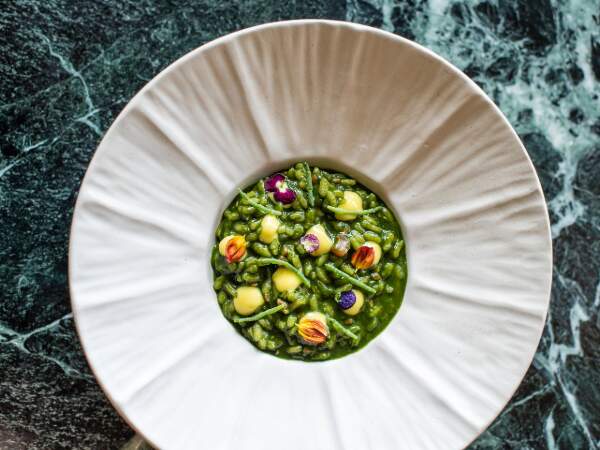
WATCH: This is why Amura is South Africa’s best new restaurant
-
It's bringing an immersive marine dining experience to the Mother...
-
-
-
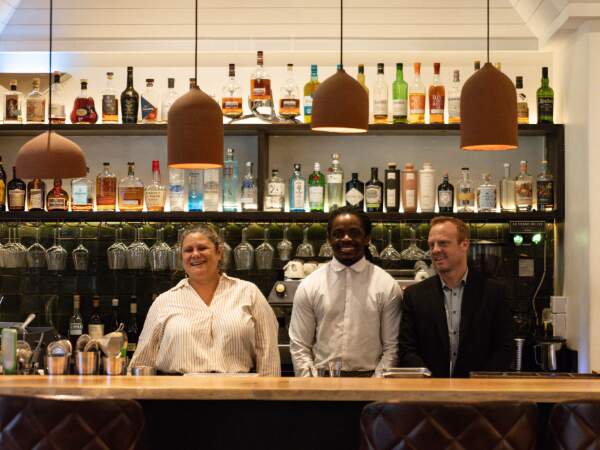
To FYN and Beyond: The sister restaurants making mixology magic
-
They're shaking things...
-
-
-
WATCH: A look inside the restaurant of the year
-
We take you inside FYN...
-
Promoted Restaurants
-

De Grendel Restaurant
De Grendel is an inner city wine farm restaurant that forms part of the Durbanville wine route. The estate is great for locals who want to experience a full...
-

Vivace Bar & Restaurant at Radisson Blu (Sandton)
Located on the 13th floor, Vivace Bar & Restaurant offers patrons striking views of Sandton City and Johannesburg alike. Complement your meal with a variety of...
-

Taste of Thai
The Most Authentic Thai Restaurant in South Africa Our Multi Award winning establishment offers a little genuine glimpse of Thailand in Hilton. through a journey of...
-

Grande Roche Restaurant
Grande Roche Restaurant is a grand old lady with a fresh set of pearls and vibrant lipstick. Chef Kevin’s food style is an ever evolving feeling and depends...
-

Baia Seafood Restaurant
This perennial favourite offers upmarket fish and Portuguese options that still manage to bring in the patrons after all these years. If these don’t interest...
-

Bistro31
Bistro31 Bar & Eatery is based on the Ground Floor of the DoubleTree by Hilton Cape Town Upper Eastside hotel. We are open from 06:30 to 23:00, for breakfast, lunch...