


News
The green revolution: how restaurants are redefining sustainability
Tuesday, November 25th, 2025

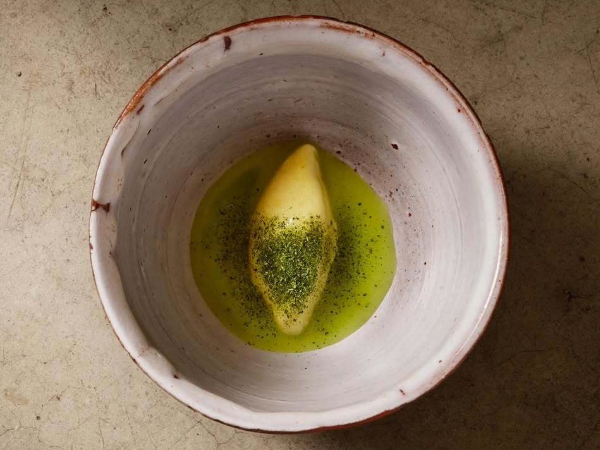
One of the most anticipated special awards at the Eat Out Woolworths Restaurant Awards is the Eat Out Woolworths Green Star. This award celebrates a restaurant that has a fierce approach to sustainable practices in all aspects and points the way forward for an environmentally, socially and financially sustainable future.
What sets this award apart is its holistic vision of sustainability. The focus is not on one specific aspect of sustainability, but rather on a range of areas, from localisation of food chain and packaging to menu offerings, food waste and loss, and energy and water saving. And, of course, sustainably sourced products.
Importantly, the award also looks at employment practices in each restaurant because it’s impossible to have a sustainable restaurant without treating the people who run them sustainably too.
View this post on Instagram
A natural evolution
For Latiefa Behardien, Chief Food Technology and Sustainability Officer at Woolworths, Woolworths’ sponsorship of this award represents a natural evolution of long-held values. “Sustainability has been part of Woolworths’ DNA for decades, guided by our Good Business Journey, a programme that has shaped how we source, produce, and do business responsibly since 2007. The Eat Out Woolworths Green Star Award is an extension of that commitment. It recognises the same values we live every day: ethical sourcing, reducing waste, supporting local producers, and protecting the environment. By celebrating chefs and restaurants who are redefining sustainable dining, we’re helping to grow a community that shares our belief that good food should do good too.”
“Our vision is for sustainability to become the standard, not the exception, in South African food culture,” she continues. “Over time, we hope this award inspires more restaurants to adopt transparent and environmentally conscious practices – not just in the kitchen, but throughout their supply chains. By recognising leaders in this space, we aim to help build momentum and elevate the entire industry’s approach to sustainable dining.”
A sustainable partnership
“As a brand that’s deeply invested in the future of food, it’s important for us to support and celebrate innovation that aligns with our purpose,” explains Latiefa. “Sponsoring this award allows us to help drive meaningful change beyond our own business, by championing the people and places that are proving that exceptional food and environmental responsibility can go hand in hand. It’s about encouraging progress, collaboration, and pride in what South Africa’s food industry can achieve together.”
“Eat Out and Woolworths share a deep respect for food – not just its quality, but in how it’s grown, sourced, and served. Together, we have the opportunity to amplify that message and reach an audience that truly cares about the future of dining in South Africa. The partnership combines Eat Out’s influence within the restaurant community with Woolworths’ leadership in responsible retailing. It’s a powerful way to celebrate excellence while inspiring the entire industry towards a more sustainable future,” says Latiefa.
Values in action
At Eat Out three-star restaurant The LivingRoom at Summerhill Guest Estate in KwaZulu-Natal, Johannes Richter’s hard work has paid off, as The LivingRoom has won the Eat Out Woolworths Green Star Award for two years in a row. “For us, sustainability has always been at the core of what we do. We set out to open a sustainable restaurant, not to open a restaurant and make it sustainable,” he says. “We have a deep love for this country and its extraordinary natural diversity. Here in KwaZulu-Natal alone we’re surrounded by the Drakensberg, biodiverse wetlands stretching up towards Maputaland, and coral reefs from Sodwana Bay down to Aliwal Shoal.”
This connection translates into innovative practices. “We’re incredibly proud to run the restaurant completely off-grid. A year ago, we also transitioned fully to wood-fire cooking, and all of our firewood comes from invasive Category 2 wattle – so every burn actually aids local ecological restoration,” Johannes explains. “But the practice I’m proudest of is our commitment to sourcing within KwaZulu-Natal. Tightening our radius has given us a culinary fingerprint that’s impossible to replicate anywhere else.”
However, the journey hasn’t been simple. “Education has been the biggest challenge,” Johannes admits. “First, educating our own team so that sustainability becomes second nature; then, working with suppliers to align on values and sourcing. And finally, helping guests understand why we do things the way we do – especially when that means something might be off the menu or when we highlight humble ingredients in unexpected ways.”
But it’s definitely been rewarding. “It’s absolutely been worth it. Every challenge has pushed us to dig deeper creatively: to coax the most out of simple ingredients, let vegetarian dishes shine, and make flavour the reward for doing things properly,” Johannes says.
View this post on Instagram
The Reality of Implementation
Dale Stevens from Eat Out two-star restaurant Faber, which won this special award in 2022, brings a unique perspective rooted in location. “With Faber being situated on a biodynamic estate, it is critical for our philosophies to align with Avondale [wine estate]. It has steered us in a direction that I think more businesses, and not just restaurants, should follow. Being sustainable should always be the number one priority when it comes to cooking.”
Dale echoes the educational challenges of sustainability. “I think the biggest challenge is getting the story across. It’s difficult to get a guest to understand that the grass-fed, free-range beef isn’t always as tender as the rest of the beef that they might be used to. The vegetables aren’t as pretty as the ones in the shops but knowing what you eat and knowing where it comes from is far more important,” he explains.
Moving towards a more sustainable future
The impact of recognising sustainability leaders extends far beyond individual restaurants. “We hope the awareness of sustainable practices allows the industry to join the journey of intent, shifting their individual needles. The passion of the few elite establishments creates a big enough ripple effect for others to join the movement,” says Sonja Edridge, food stylist, chef and consultant.
Looking ahead, Sonja identifies emerging sustainability practices that restaurants should be considering, such as “really understanding recycling, supporting staff sustainably with development and training, as well as fermenting and reducing food waste.”
For Latiefa, the future is promising. “What excites me most is the growing sense of collective action. We’re seeing more consumers, chefs, and producers taking responsibility for the choices they make – from supporting regenerative farming and minimising food waste, to celebrating local, seasonal ingredients,” she says. As South Africa’s culinary landscape continues to evolve, the Eat Out Woolworths Green Star Award serves as both celebration and catalyst for an industry-wide transformation toward sustainability.
Keep an eye on Eat Out’s channels as we gear up for the 2026 Eat Out Woolworths Rerstaurant Awards to be held on 23 March 2026!
-

 Eat out
-
eat out woolworths restaurant awards
-
FABER
-
Restaurants South Africa
-
sustainability
-
The LivingRoom
-
Woolworths
Related posts
-


-
WATCH: Elton Damon’s award-winning sommelier journey
-
Elton shares what winning the Eat Out Wine Service Award means to...
-
-

-
Margot Janse on giving back through food
-
Watch our interview with the...
-
-
-
WATCH: The enduring legacy of Ken Forrester
-
We sat down with the legendary...
-
Promoted Restaurants
-
RBG Bar & Grill Restaurant
Cape Town travelers appreciate the chic yet inviting ambiance, perfect for savouring a hot soup, fresh salad or regional specialty. All-day dining makes RBG Bar...
-

Grande Roche Restaurant
Grande Roche Restaurant is a grand old lady with a fresh set of pearls and vibrant lipstick. Chef Kevin’s food style is an ever evolving feeling and depends...
-

Cowfish
Cowfish is known for its Asian inspired burgers, sushi, dim sum and grills. Instagram:...
-

The President Hotel – Restaurant Group
The President Hotel has a host of dining options available under one roof. Whether you’re in the mood for a romantic dinner, casual coffee, quick lunch or hearty...
-

Pizza Connection
There has been a spate of great new pizza places popping up in the city over the past couple of years. Pizza Connection (where Pesce Azzuro used to live) in...
-

Stellenzicht Wine Pod
Our Wine Pod is our unique tasting room on our estate. It was designed to bring nature into the structure. Because of this, when you are enjoying a glass of elegant...