


News
How neighbourhood bakeries are kneading communities back together
Friday, January 23rd, 2026

Growing up, bread was soft, sliced and wrapped in plastic. It lasted longer than some houseplants and was still spongy once mould had taken hold. Convenient? Yes. Memorable? Not so much. It was a vehicle more than an ingredient, but in recent years, that’s all changed.
The rise of the artisan baker is a return to slower, older methods. Loaves come with crackly crusts, chewy crumbs and flavours that range from toasted and nutty to creamy and tangy. It’s bread with soul, and yes, it’s supposed to go hard after a few days. This is the wonderful world of real bread, and there’s never been a better time to explore our artisanal baking scene.
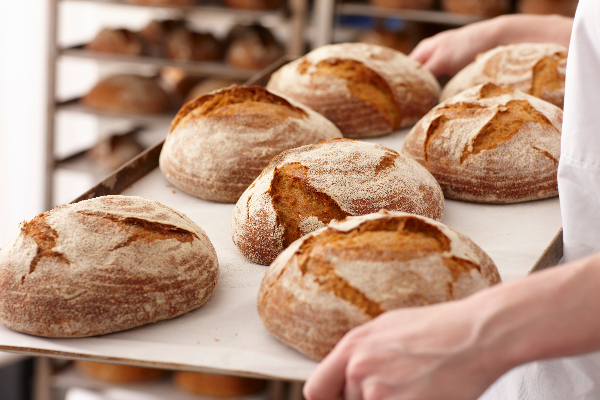
For thousands of years, bread was made by hand. It was a labour of love, and while everyone else slept, the baker worked on their craft. Then came instant yeast, which made things easier. Then technology got involved, and things got even easier. Then, in the 1960s, a method called the Chorleywood bread process was developed in the UK.
The goal? Speed and efficiency. Using high-speed mixing, yeast, fats and enzymes, it turned low-protein flour into soft, uniform bread in a fraction of the time that traditional baking requires. It did its job brilliantly. Bread became cheap, consistent and widely available. But fermentation, flavour, texture and individuality were brutally sacrificed along the way. Most of the soft, sliced bread you find in our shops today still uses a version of this process.
With a return to craft, we see artisanal bakers doing the exact opposite. Time replaces brute force, and long fermentation replaces additives. Bakers use stone-ground flour, yeast or sourdough culture, water and salt and allow the dough to develop slowly. The result is real bread with crusty character, unique structure and deep flavour. No two loaves are identical, and that’s the point.
The sourdough effect
The return to real bread has a lot to do with the sourdough boom. Spearheaded by international bakers like Chad Robertson of Tartine, sourdough gradually rose into everyday culture. At home, île de paÏn, Jason Bakery, Woodstock Bakery, SCHOON and Rosemead Artisan flew the crusty artisanal flag. In 2020, COVID arrived, and that’s when sourdough really hit its sticky stride. In lockdown with nothing but time, the public discovered the joy and hardship of making sourdough bread.
Social media exploded with crumb shots, and amateur bakers (me included) fell into a deep sourdough rabbit hole. I bought extra ovens, extra fridges, pots for baking and eventually installed a deck oven in my office. I ran a sourdough subscription service for about a year until life and an impending cookbook deadline came calling. Sourdough is more than just a hobby – it becomes a way of life.
Around the same time, Motherdough came to life with their over-100-year-old starter, Alfonsina. South Yeaster Bakery started in a double garage in Hout Bay, Maillard Baking Co built an oven in Knysna, and The Bread Bar (now SUUR.) opened at Makers Landing. Yes, I’m sure I’m missing a few bakeries, and I know these are all based in the Western Cape, but it’s where I live.
Health played a big role in sourdough’s popularity. It’s not a miracle food, but it’s easier to digest thanks to the slow fermentation. Over time, natural wild yeast and bacteria partially break down gluten and carbohydrates, which makes it easier on the gut. The slow fermentation can also produce a gentler blood sugar response than highly processed white bread. It also helps improve the absorption of naturally occurring minerals, plus the organic acids produced give sourdough a longer shelf life.
For those who struggled with bread (like my wife), sourdough was a tasty revelation. Fun fact: sourdough is not a type of bread but rather a way of making bread using a starter or culture of wild yeast and lactic acid bacteria instead of commercial yeast.
“Alfonsina is the foundation, and every loaf, pastry, and baked product is designed around her fermentation. We use ingredients and processes that support her biology rather than interfere with it.” – Lance, Motherdough
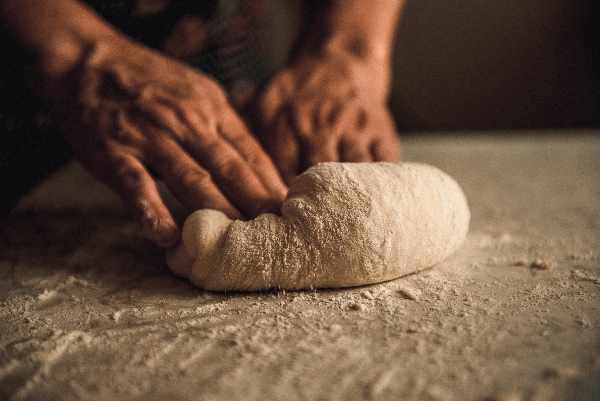
Bread as culture, not commodity
Across civilisations, bread has always carried cultural weight. It’s been at the centre of many uprisings and revolutions, but in the modern age, it lost some of its soul for commercial gain. By supporting your local artisan baker, you’re helping it reclaim its crusty glory.
Lance Littlefield of Motherdough is wary of terms like ‘sourdough’ or ‘artisan’, as they’ve become overtraded and co-opted by supermarkets. Adding a whiff of powdered sourdough starter to a loaf of bread does not make it proper sourdough, but sourfaux is a topic for another article. Instead, he prefers the term ‘proper bread’, echoing the meaty sentiment of the famous Frankie Fenner Meat Merchants.
François Zietsman of SUUR. says that customers are more aware of what they are eating. They ask more questions, are curious about fermentation and are mindful of how the bread makes them feel.
Mia and Jack of Lion’s Bread believe that real bread is a relationship rather than a product. The better the relationship between farmer, miller, baker and eater, the better the bread.
The sensory experience
Real bread is experienced before you see it. The rich smell of a caramelised crust that crackles as it cools. The resistance of a gnarly exterior as you tear it open to reveal a soft, creamy crumb. This is the power and allure of artisanal bread, and it’s baked into our DNA. The aroma of baking bread is the best advertising, and as one SUUR. customer put it, “the smell of fresh bread hits you in the face.”
Chefs have noticed too. Many of our top restaurants are once again serving bread as an intentional course. It’s often baked in-house or sourced from a trusted baker. The bread basket is no longer an afterthought but a sensory experience that sets the tone.
“Michael Pollan, who deeply influenced how we think about food, says you shouldn’t eat anything your great-grandmother wouldn’t recognise. Real bread should be honest. No tricks, no disguises, no unnecessary ingredients.” – Mia and Jack, Lion’s Bread.
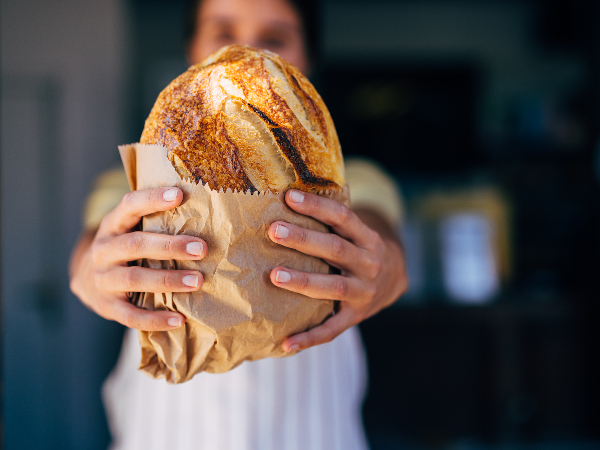
Bakeries as community anchors
A great bakery is more than just an outlet for delicious bread. It’s a shared space, a social hub and a place that becomes part of the community’s rhythm. Every day, the cycle begins anew in tune with a microcosm of wild yeast and bacteria that is unique to every bakery. In today’s technology- and AI-obsessed world, the bakery reminds us to slow down and appreciate the art of handmade products.
“In a world where everyone talks through their phones, bread and bakeries bring people back to basics. That’s the power of a good loaf of bread and thoughtfully created space.” – François, SUUR.
Globally, the real bread movement (and fight against sourfaux) has been gathering momentum for more than a decade. Fuelled by a renewed interest in craftsmanship, provenance and a return to slow food, South Africa is not far behind. With more great stone-ground flour than ever before from Eureka Mills, Bio-Wheat, Gideon’s Milling and speciality grains from Lowerland, there’s never been a better time to change your bread habits.
Local bakers work with farmers and millers and experiment with flavours and heritage grains. Loaves are exciting and delicious, and the bread is the main ingredient in a dish rather than being a vehicle for others. Real bread has a sense of place that’s shaped as much by local ingredients as it is by global influence.
Where it’s heading
The growth of artisanal bakeries isn’t a rejection of convenience but rather a refocus. Mass-produced bread will always have a place. But its daily dominance is being challenged. Once you’ve had a taste of real bread, it’s hard to go back to the squishy stuff with a laundry list of ingredients. Great bread has and will always be part of the food conversation, but sometimes we need a reminder that convenience comes at a cost.


Related posts
-

-
Table for one: the deliberate and intentional rise of eating alone
-
Solo dining is no longer a consolation experience. It is,...
-
-
-
Why do people really go to bars?
-
Nobody goes to a bar to drink. They go to be distracted, soothed,...
-
-
-
Top wine farm restaurants in South Africa
-
These Eat Out star establishments showcase the perfect marriage of...
-
Promoted Restaurants
-

Pizza Connection
There has been a spate of great new pizza places popping up in the city over the past couple of years. Pizza Connection (where Pesce Azzuro used to live) in...
-

Rust en Vrede Restaurant
Chef Fabio Daniel’s ingenuity lies in his ability to put his Italian-Brazilian heart on a plate using fresh South African ingredients and classic French...
-

Stefan’s at Erinvale Estate Hotel & Spa
Experience a lavish Table d’hôte menu at our latest restaurant; with flavours and inspiration from all over the world, their extremely talented Chef Stefan and...
-

3 Kitch3ens at Silver Forest
3 KITCH3NS is a vibrant colourful Restaurant and Bar based at the Beautiful Silver Forest, at the foot of the Helderberg Mountain surrounded by Trees. As the name...
-

The Manor at Nederburg
No visit to the Cape Winelands is complete without a stop-over at Nederburg’s family-friendly The Manor restaurant and wine tasting hub in Paarl. Located in the...
-

Tempo Luxury Restaurant
Tempo Luxury is a premier fun-dining restaurant strategically nestled in the heart of North of Johannesburg. Renowned as a luxury hybrid restaurant, we seamlessly...