


News
Let’s talk about the hidden cost of delivering an exceptional dining experience
Friday, May 15th, 2026

Magazine teaser
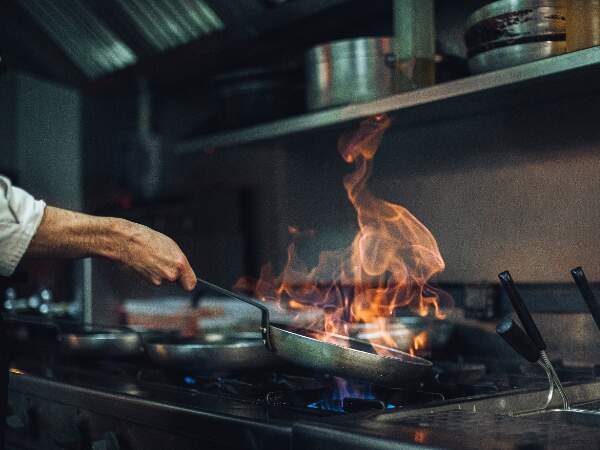
The glassware sparkles, the service is impeccable, the scent of cedarwood lingers. The world of gourmet dining means every meal is memorable – but those who deliver the service often struggle with significant emotional, physical, social and financial stress.
Seeking stability
Long hours, unpredictable shifts and demanding guests can leave customer-facing staff exhausted and emotionally drained, says Dr Sherona Rawat, a clinical psychologist, academic author and speaker. “The people whose job it is to make your evening special often work crazy hours and rely on generous tips to make a living. Add the financial instability of seasonal work, and it’s not surprising many suffer burnout, sometimes turning to substances to ‘take the edge off ’.”
Everyone’s a critic
Lewis*, a sommelier at a prominent Stellenbosch wine estate, explains a time when pressures at home, combined with the high expectations of international guests, became unmanageable: “People think wine service is elegant, but it’s pressure,” he says. “You have wealthy tourists criticising your pronunciation of French varietals, managers hovering, and tips that depend on every small detail. Some nights, my hands shook so much I couldn’t pour a tasting properly. I’d go to the bathroom, splash water on my face and tell myself: ‘Hold it together, you need this job.’ I wasn’t sleeping. I wasn’t socialising. I wasn’t exercising. I eventually had to take medication for anxiety and burnout.”
The real toll
One of the reasons behind mental ill health in the service industry is what experts term “emotional labour”. “Front- of-house staff are expected to keep their emotions in check, often hiding their own problems when dealing with stress at work,” says Dr Rawat. “Over time this ‘constant mask’ begins to fray, leading to anxiety, depression, or worse.”
To read the full article, grab your copy of the 2026 Eat Out Magazine at Woolies or online!



Related posts
-

-
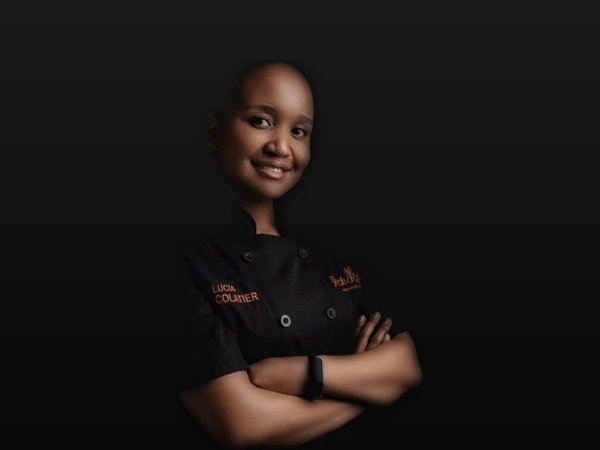
Meet Lucia Sithole: The chocolatier crafting edible art in Pretoria
-
"My journey into chocolate began in a very unexpected...
-
-
-
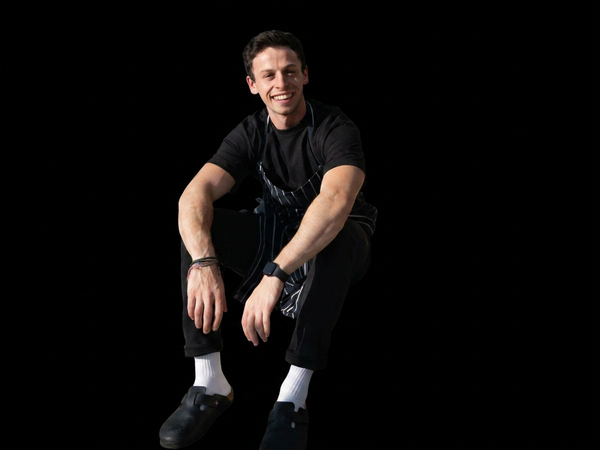
Chef Aren Pollack bids farewell to Embarc to start a new chapter in the Cape
-
The Eat Out award-winning chef shares where he's headed to next....
-
-

-
Introducing Eat Out Neighbourhood Gems
-
The wait is over!...
-
Promoted Restaurants
-

Evita se Perron
Our café is open 6 days a week for breakfast & lunch and you can sit down inside or outside and order from our café menu. No table bookings, walk-ins only. We are...
-
Zest Restaurant
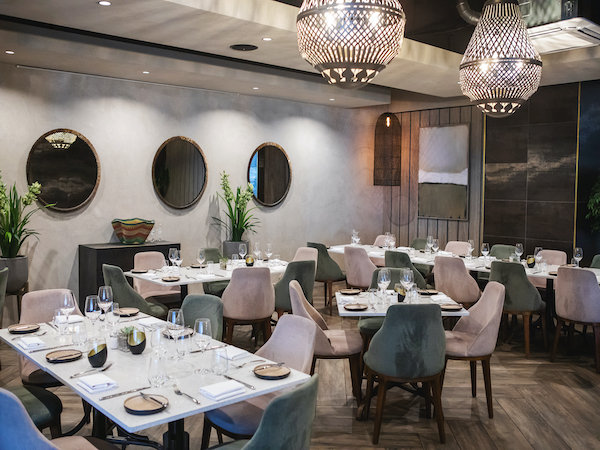
At Zest Restaurant the chefs work behind the open plan kitchen, with its wood fire grill, and can be seen whilst creating delectable dishes. Diners are able to...
-

Yamitsuki
Founded in 2000, Yamitsuki introduced the concept of Japanese style cuisine, presented to customers via a unique conveyor belt system. The experience was fun and...
-

Cowfish
Cowfish is known for its Asian inspired burgers, sushi, dim sum and grills. Instagram:...
-

Grande Roche Restaurant
Grande Roche Restaurant is a grand old lady with a fresh set of pearls and vibrant lipstick. Chef Kevin’s food style is an ever evolving feeling and depends...
-

Baia Seafood Restaurant
This perennial favourite offers upmarket fish and Portuguese options that still manage to bring in the patrons after all these years. If these don’t interest...