


News
Shaken and smoked: a cocktail rooted in the soul of KwaZulu-Natal
Wednesday, July 1st, 2026

Ndabezitha! Zulu ka Malandela, Zulu ka Mntungwa, Wena kaPhunga noMageba, Wena Ka Mjokwane Ka Ndaba, Zulu omnyama ondlela zimhlophe, Mageba Mntwana (Zulu praise poem).
The Zulu nation values respect above all else. Before a conversation begins, before a meal is shared, before a drink is poured, respect arrives first. Perhaps that is why so many visitors to South Africa find themselves learning isiZulu before any other language. There is an old truth hidden in the saying: take on a language, take on a culture. By Zulu standards, language is more than communication. Translation often captures the words but loses the spirit. Meaning lives in context, in memory, in ancestry.
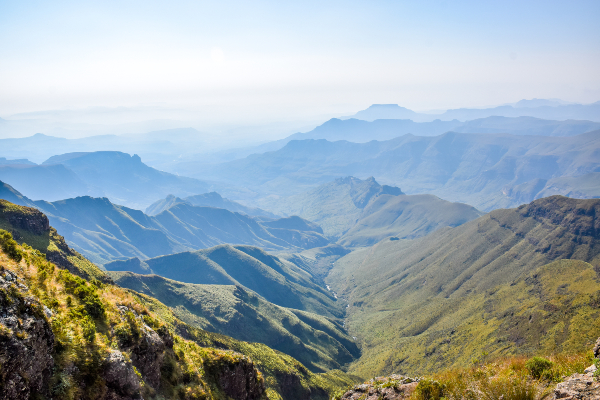
KwaZulu-Natal is a province that demands all your senses. You hear it before you see it — the crashing waves along the Indian Ocean coastline, taxi horns weaving through Durban’s streets, the distant rhythm of maskandi guitars drifting from roadside taverns, the sound of cattle bells somewhere beyond the hills, and the laughter spilling from beach promenades as the sun begins its descent. Then you smell it: salt carried inland by warm coastal winds, charcoal fires preparing shisanyama, freshly cut sugarcane, curry leaves crackling in hot oil, the earthy perfume of medicinal plants drying beneath traditional healers’ roofs, and the unmistakable scent of rain arriving over the Drakensberg mountains.
ALSO READ: What’s behind KZN’s quiet but strong culinary ascent?
This is the Kingdom of the Zulu — a nation known throughout history for its discipline, military brilliance, and fierce defence of identity. Yet beyond the stories of warriors and kings exists another truth: hospitality. Hospitality here is ritual. A chair pulled closer to the fire. A bowl of broth made from a cow’s head, rich with flavour and generosity. A calabash passed around a gathering. A cold beer after hours spent beneath the summer sun.
Even the names of places carry stories. Umlazi is believed to derive its name from umlaza — the whey-like liquid associated with sour milk. Legend tells of King Shaka tasting water from the river and noting its similarity. Nearby, Amanzimtoti translates loosely to ‘sweet waters’, a place where the meeting of river and sea continues to shape local life. Water matters here. Travel further south and the Umkhomazi River winds towards the sea, its name referencing the whale. Standing along the coast during migration season, watching enormous whales breach against a backdrop of endless blue, one understands why.
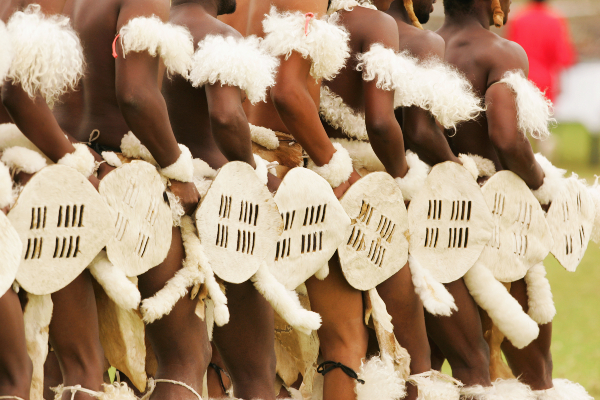
KwaZulu-Natal’s drinking culture reflects this diversity of landscapes. Traditional sorghum beer remains woven into ceremonies and celebrations, connecting modern drinkers to centuries of communal brewing traditions. Younger generations may reach for vodka mixed with Lemon Twist, while craft spirits increasingly find homes on back bars from Ballito to the Midlands.
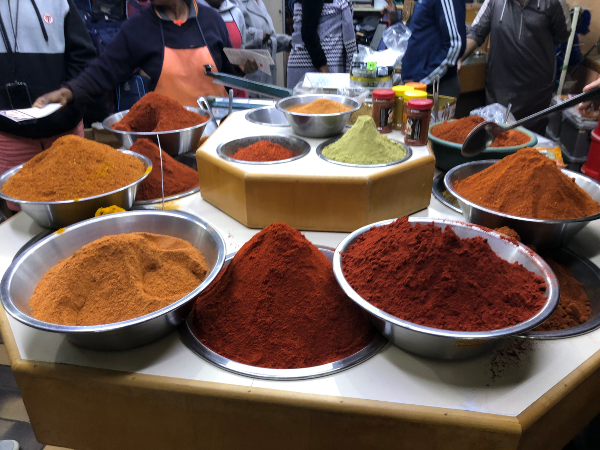
No conversation about contemporary KwaZulu-Natal is complete without acknowledging the Indian influence that transformed the province. Beginning in 1860, thousands of Indians arrived in Natal as indentured labourers, many working on sugarcane plantations. Over generations, they became inseparable from the identity of the province. Today their legacy exists everywhere — in the aroma of bunny chow, in spice merchants lining market streets, in family-run restaurants, and in the masala blends found in nearly every Durban kitchen.
The result is a province unlike any other. Zulu tradition and Indian heritage exist side by side. Ancient customs meet modern city life. Kings and surfers. Sangomas and entrepreneurs. Cattle kraals and cocktail bars. The coronation of King Misuzulu kaZwelithini in 2022 demonstrated how deeply respected these traditions remain, with the Zulu monarchy continuing to play a significant cultural and, at times, political role within the region and the broader Zulu Kingdom.
For this instalment of Sunset in a Glass, the cocktail becomes a meeting point — a conversation between coast and countryside, between tradition and innovation, between Africa and the Indian Ocean.
KwaZulu-Natal is not merely a destination. It is a feeling — a province that enters through all five senses and remains long after you’ve left. And like any great cocktail, its story reveals itself one sip at a time.
The kingdom’s embrace
Ingredients:
- 30ml gin
- 20ml rum
- 5ml absinthe
- 30ml pineapple juice
- 20ml banana and marula syrup
- 15ml amasi
- Pinch of toasted sorghum powder
- Tiny pinch Durban masala
- 2 dashes sugarcane syrup
Method:
Begin by smoking a chilled glass with mpepho (a South African indigenous plant). Allow the smoke to settle and perfume the vessel before covering it. Into a shaker add the gin, rum, absinthe, pineapple juice, banana and marula syrup, amasi, sugarcane syrup, sorghum and masala. Shake vigorously. Double-strain into the smoked glass. Finish with a light dusting of toasted sorghum.
Tasting notes: Mpepho rises like incense. Marula and banana arrive first, soft and familiar. Pineapple brightens the palate like coastal sunshine. The amasi contributes texture and memory. Sorghum grounds everything in tradition. Then comes the whisper of Durban masala, lingering long after the glass leaves your lips.


Related posts
-

-
Meet the judges for the Best Young Sommelier of South Africa competition
-
The search is on for South Africa's next rising star in wine...
-
-
-
Why do people really go to bars?
-
Nobody goes to a bar to drink. They go to be distracted, soothed,...
-
-
-
To FYN and Beyond: The sister restaurants making mixology magic
-
They're shaking things...
-
Promoted Restaurants
-

Blowfish Restaurant
Though the menu is vast, the main reason to be here is for fish which is SASSI certified. Displayed in the fridges, choose the kind you want, have it weighed...
-

Harald’s Bar & Terrace
This relaxing venue is an ideal spot to enjoy a cocktail, wine, or beer in a fun-filled atmosphere. Take in splendid views of Table Mountain and savour tasty...
-

Vivace Bar & Restaurant at Radisson Blu (Sandton)
Located on the 13th floor, Vivace Bar & Restaurant offers patrons striking views of Sandton City and Johannesburg alike. Complement your meal with a variety of...
-
RBG Bar & Grill Restaurant
Cape Town travelers appreciate the chic yet inviting ambiance, perfect for savouring a hot soup, fresh salad or regional specialty. All-day dining makes RBG Bar...
-

Belly of the Beast
Belly of the Beast, situated in the heart of Cape Town, promises a unique dining experience. Inspired by South African cuisine, each course is more...
-

The Manor at Nederburg
No visit to the Cape Winelands is complete without a stop-over at Nederburg’s family-friendly The Manor restaurant and wine tasting hub in Paarl. Located in the...