


News
The new era of Pinotage: lighter, livelier and proudly South African
Tuesday, August 12th, 2025

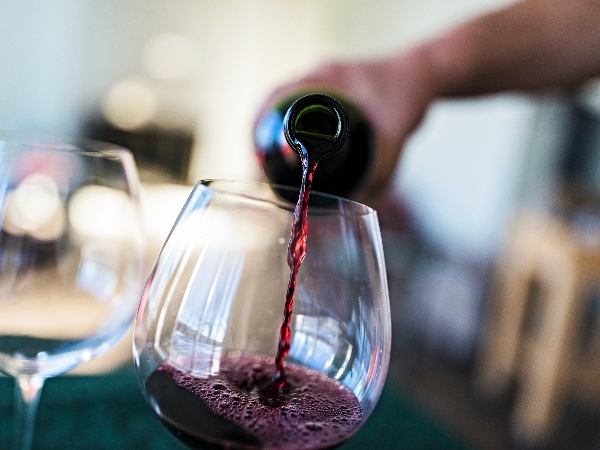
2025 marks 100 years since the creation of Pinotage, South Africa’s unique grape and, for decades, one of its most polarising. Known for bold, often heavily oaked expressions, Pinotage was long a love-it-or-hate-it varietal among wine drinkers. But that’s changing, as the wine itself has changed. There’s been a marked shift in Pinotage’s expression over the last few years as more winemakers are producing lighter, fresher versions of the grape. We chat to a few industry experts to examine this revolution.
Read more: Experts weigh in on wine trends for 2025
The story goes that in 1924 Professor Abraham Izak Perold sought to create a grape that combined the elegance of Pinot Noir with the resilience and robustness of Cinsault, otherwise known as Hermitage. He successfully crossed the two varieties and eventually planted the seeds in 1925. Yet, despite this experimental feat, there wasn’t much academic value in this new grape for many years following. It was only in the 1950s that stalwart estates such as Kanonkop, Meerendal and De Waal began planting the grape and producing wine commercially. This iteration of Pinotage was often quite bold, with heavy, oaky notes due to the time the wine spent in barrels.
Now, as Pinotage winemaking has evolved, there’s a move away from overly extracted styles towards brighter, more refined interpretations. “The shift is being driven by a combination of maturing viticultural practices, a more nuanced understanding of site selection, and a younger generation of winemakers unburdened by the stylistic baggage of the past,” says Belinda Jacobs, brand manager for The Pinotage Association. “There’s a clear move away from brute force and over-extraction – what was once seen as a defensive posture is giving way to confidence, restraint and precision.” This shift means that the wine is often lighter, juicier and more representative of its parent grapes. “For many years, Pinotage was treated in the cellar in the same way as you would treat Cabernet Sauvignon, somewhat more heavy-handed,” says Maryna Calow, communications manager for Wines of South Africa (WOSA). “But when you consider the parent varieties, it makes sense to adapt the winemaking style accordingly.” Historical over-oaking and over-extraction have given way to finesse, fruit purity and terroir expression.
And the industry is responding well to these new styles, which allows Pinotage to express its regional identity more clearly. Clare Anderson is a wine judge and says that globally there’s more interest in lighter-bodied reds, and fresher, more elegant expressions are very well received by consumers.

“South African wine drinkers definitely do still like a big, bold red, but over-oaked, heavy tannins are becoming a tough sell,” she explains. “More consumers are buying wine to consume within a few hours or days of purchase, which means that wine does not have the luxury of time to soften tannins and smooth out the edges.” She says that these refined, less oaked, more approachable styles of Pinotage are a very welcome addition to the wine shelves. Erica Taylor, a wine buyer and consultant, echoes this. “I run a busy wine bar in Sea Point – Cassette – so I get a lot of face-to-face interactions with guests. I recently put the Scions of Sinai “Atlantikas” on our list and it’s been fascinating to see the response from guests. Many people who say they “hate Pinotage” are loving this newer, lighter style,” she explains. “I always say it’s not your oupa’s Pinotage. These new styles are so much more approachable and fruity.”
This easy-drinking wine also lends itself to pairing well with food. Due to the fine tannins and soft flavours, Pinotage has become a regular feature on many wine-tasting menus. “I think the lighter-style Pinotage wines must be a sommelier’s dream when it comes to food pairing,” says Clare. “These wines can be chilled ever so slightly and pair beautifully with dishes like fish or paté, and then also have the depth and complexity to handle a more substantial meaty dish.”
Michelle Erasmus, head sommelier at La Colombe and winner of the 2025 Eat Out Woolworths Wine Service Award, agrees: “In the restaurant environment, it used to be a varietal listed for tourist interest and its ‘proudly South African’ identity; however, lately, the new wave-style Pinotages are specifically being asked for and ordered for their food-friendly nature.”
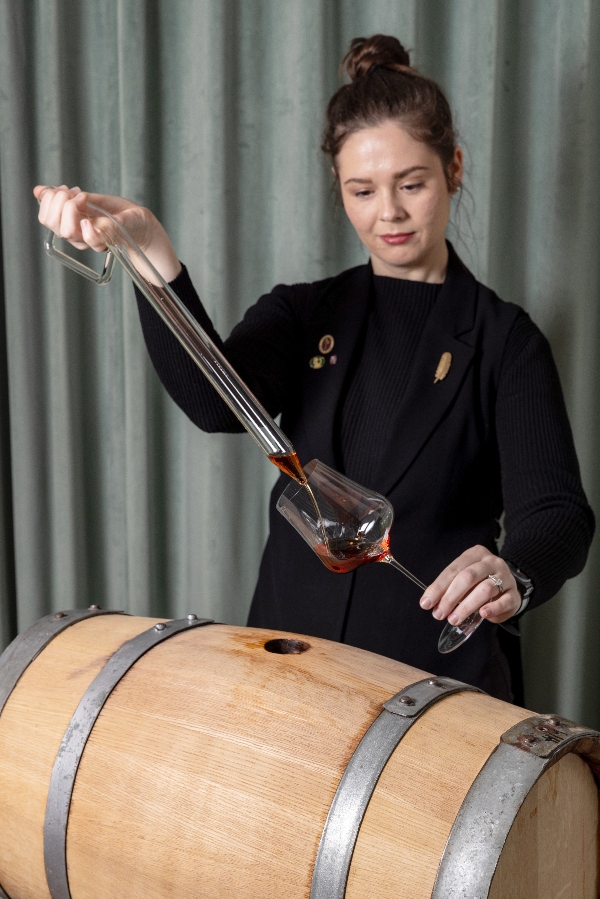
Sommelier Michelle Erasmus
Read more: Eat Out Special Awards categories
She notes that these wines often take the place of Pinot Noir when guests are looking for a single wine to carry through a multi-course tasting menu. “The one thing I love is the fact that these lighter-bodied styles really show their sense of place.” Belinda adds that beyond food pairing, this style allows sommeliers to put an impressive South African varietal on a platform. “On progressive wine lists, particularly those focused on origin-driven wines and sustainability, these new-wave Pinotages hold their own alongside the likes of Jura reds, Etna Rosso or Cru Beaujolais. They offer sommeliers an opportunity to list a truly South African original that can intrigue, delight and challenge perceptions.”
Pinotage’s evolution is as philosophical as it is technical. And while the history of the grape is what’s helped shape it today, as it sheds its polarising past, it’s finally receiving the attention it deserves. Established estates, such as Kanonkop, Kaapzicht and Beyerskloof, continue to push boundaries while honouring tradition, while boutique wineries, like Savage Wines, Van Loggerenberg Wines, Crate Work by Selma Willemse and Illimis from Lucinda Heyns, are redefining perceptions with their nuanced and expressive takes on Pinotage.
As more rising winemakers approach Pinotage with a delicate touch, the results are wines that are simultaneously structured and light, serious yet approachable. “I think the fact that we’re now seeing Pinotage vineyards planted across the globe is testament to the popularity of the variety and how it’s becoming more popular amongst consumers from all corners of the world,” says Maryna. “This is pretty exciting, and I bet Professor Perold would be truly proud of this.”
Pinotage is no longer trying to prove itself, it’s arrived and it’s lighter, livelier and more proudly South African than ever.
Read more: A guide to South Africa’s new generation wine bar experiences


Related posts
-


-
How a kelp-infused cocktail captures Scarborough’s coastal landscape in a glass
-
From coastal kelp forests to inland citrus groves, flavour here is...
-
-

-
Creating connection: Sommelier Tinashe Nyamudoka on finding beauty in wine
-
It's never just a drink with...
-
-
-
Enter now: The S.Pellegrino Young Chef Academy is open for applications
-
It's more than a culinary...
-
Promoted Restaurants
-

Orangerie at Le Lude
There’s something innately celebratory about visiting an estate like Le Lude that specialises in Methode Cap Classique. Naturally, this adds an extra sparkle...
-

Belly of the Beast
Belly of the Beast, situated in the heart of Cape Town, promises a unique dining experience. Inspired by South African cuisine, each course is more...
-

The Alba Harties Harbour
Welcome to Harties Harbour, situated in the Kommandonek Wildlife Resort, your one stop venue for the best that Hartbeespoort Dam has to offer. Daily Lunch and...
-

The 11th Floor
ROOFTOP RESTAURANT & COCKTAIL BAR IN BEDFORDVIEW Step into a realm of culinary excellence at our international award-winning restaurant, and be transported to the...
-
RBG Bar & Grill Restaurant
Cape Town travelers appreciate the chic yet inviting ambiance, perfect for savouring a hot soup, fresh salad or regional specialty. All-day dining makes RBG Bar...
-

Stellenzicht Wine Pod
Our Wine Pod is our unique tasting room on our estate. It was designed to bring nature into the structure. Because of this, when you are enjoying a glass of elegant...