


News
South African chefs weigh in on the rising demand for protein
Friday, January 9th, 2026

The restaurant industry is in the grip of what some might call a “protein panic” – everyone wants more protein on their plate. Is it reshaping how kitchens operate, menus are developed, and ingredients are sourced? According to Insight Survey, the craze is being fueled by health-conscious diners, especially younger crowds and fitness enthusiasts, who want food that powers their active lives whilst still being ethical and sustainable.
This shift goes beyond simple dietary preferences; it’s influencing everything from supply chains to sustainability practices across South Africa’s dining scene. Some chefs question whether this constitutes a genuine concern, while others are adapting their way of operating to meet evolving diner expectations.
The reality is nuanced: rising animal protein costs, supply chain disruptions, and changing consumer behaviour are creating challenges that require creative solutions. For South African restaurants, the conversation around animal protein isn’t just about meeting demand – it’s about maintaining quality, sustainability, and culinary integrity whilst navigating an increasingly complex food landscape.

MERTIA
Supply chain disruptions have become a recurring theme across the industry. Chef Matt van den Berg of Eat Out two-star restaurant MERTIA in Stellenbosch explains, “We experienced challenges during the winter when the price of beef fillet increased significantly due to shortages caused by disease. We adapted our menu and replaced beef with venison. Because we work closely with small-scale farmers, we can adjust our menu frequently based on availability. This flexibility allows us to manage supply disruptions without negatively affecting the guest experience.”
At another Eat Out two-star restaurant Faber at Avondale just outside Paarl, chef Dale Stevens faces similar pressures. “The most difficult proteins to source consistently are high-quality, ethically produced meats and sustainably harvested seafood. Climate variability and supply chain instability are real challenges,” Dale notes.
Chef Samantha Morris-Fourie of Eat Out star restaurant Kapokbos in Bonnievale has developed a particularly strategic approach to these challenges. “One of our most consistent challenges is sourcing good-quality poultry. Truly well-reared chicken is not always readily available, and alternative poultry like quail or duck can be difficult to source reliably,” Samantha explains. “Fish presents a similar challenge. We prioritise sustainability and therefore source directly from an independent fisherman, which means availability is entirely seasonal and weather dependent.”
Given these limitations, many chefs are embracing flexibility as a core approach. Samantha has intentionally designed the menu around adaptability: “We deliberately name proteins on our menu rather than specifying individual cuts. This gives us the flexibility to work with what is available at any given time from our butcher or boutique meat suppliers.”
Dale echoes this sentiment, noting that protein has always been central to fine dining, but the treatment is evolving. “We’re placing more emphasis on the clarity of protein, letting a dish clearly showcase its hero ingredient whilst ensuring it’s balanced with vegetables, acidity, and texture. The focus is less on ‘more protein’ but rather on better protein.”
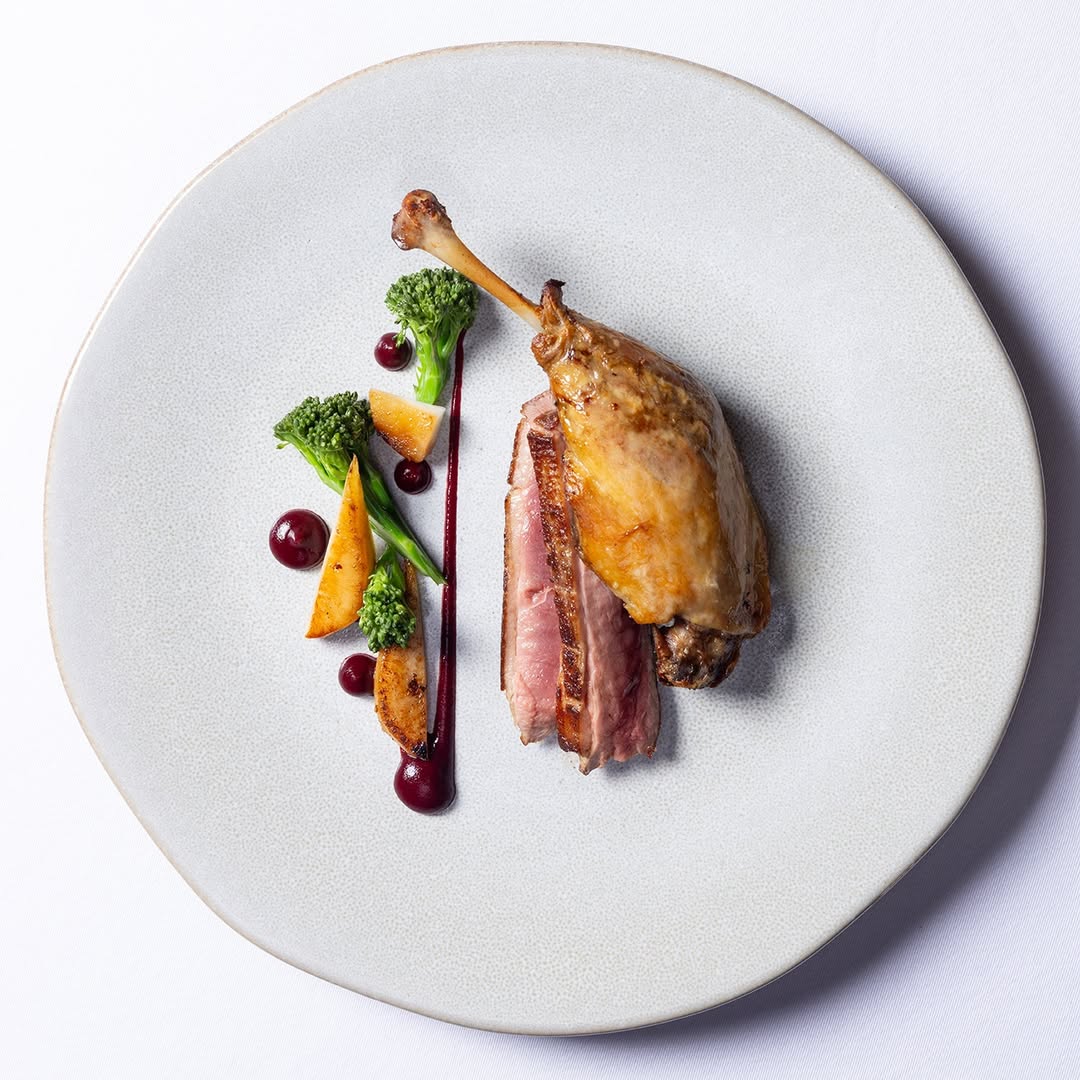
Faber Restaurant
One of the most interesting developments is the resurgence of previously overlooked protein sources. Matt has observed a reappearance in the use of offal, which has long been popular in many developing countries and offers both sustainability and depth of flavour. “While guests may initially feel hesitant about offal,” he says, “their response is overwhelmingly positive once they taste it. Education plays a key role in shifting perceptions. We also believe venison is underutilised in South Africa and see great potential for its use, particularly during hunting season in winter.”
Dale actively experiments with items like sweetbreads, neck, and cheeks, while Samantha focuses on whole-animal cooking, legumes, eggs, dairy, and seasonal seafood. The response from diners has been encouraging. “Guests respond positively when dishes are presented confidently and rooted in flavour and provenance,” she notes.
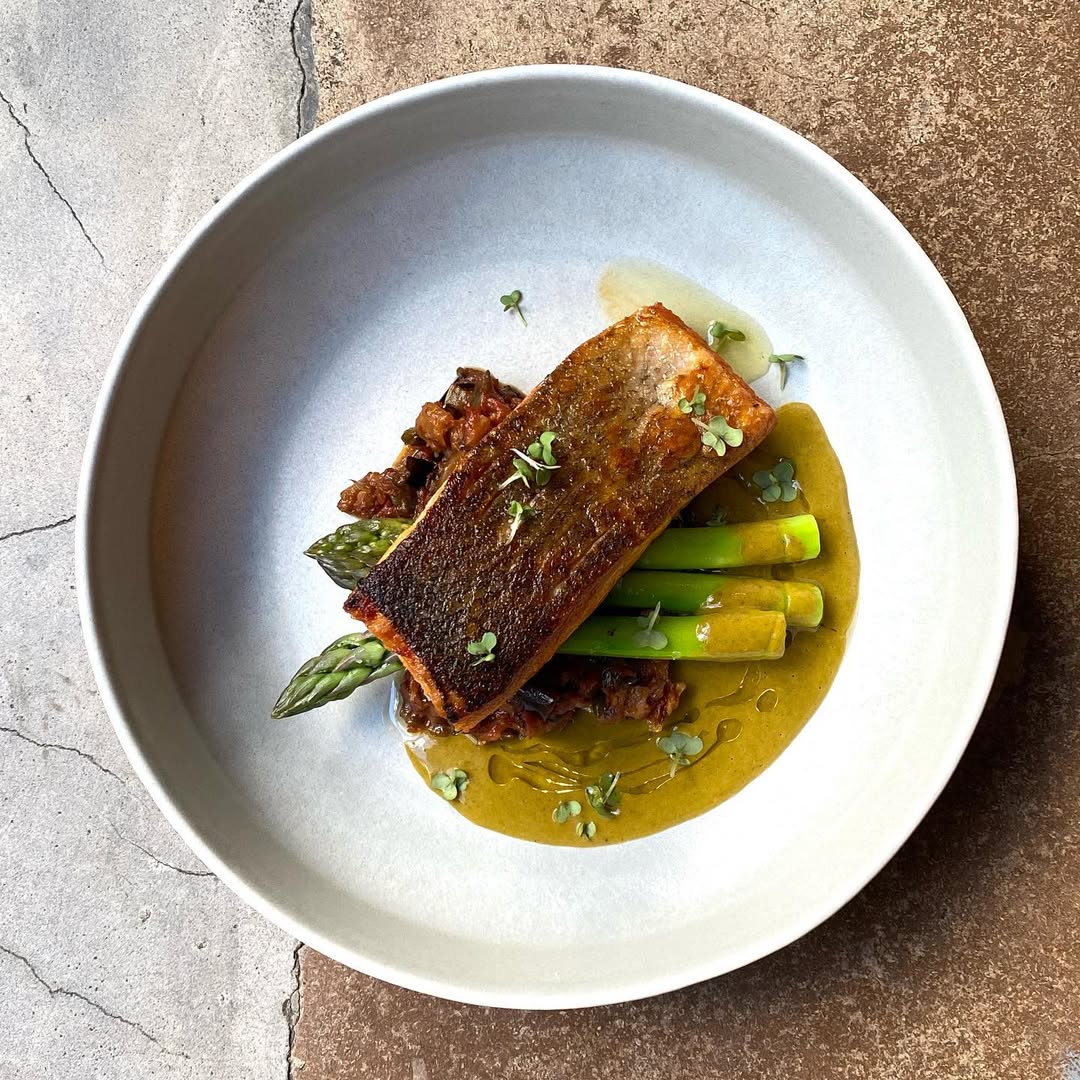
Table Seven
Not all chefs are convinced that the protein panic represents a fundamental shift. Luke Wonnacott of Eat Out star restaurant Table Seven in Woodstock approaches the topic with scepticism: “To be honest, I’m aware of big price fluctuations based on several factors; however, we haven’t noticed a difference in our guests’ preferences.”
Luke’s restaurant operates on a philosophy of adaptability that predates current trends. “We base our menus on what’s available and don’t try to force the sourcing of certain products. If it’s available, great; if not, we move on and source what’s available and build our menu around that.”
The protein conversation inevitably leads to sustainability concerns. Dale warns that “if protein demand continues to rise unchecked, sustainability becomes a serious concern. The future of fine dining lies in restraint, respect for ingredients, and adaptability, not excess.”
Samantha emphasises the importance of context in decision-making: “Operating in the Platteland gives us a clear advantage: close relationships with producers, short supply chains, and menus that are shaped by availability rather than global trends. We believe this adaptability is key to remaining sustainable in the face of rising protein demand, while staying true to our values and context.”
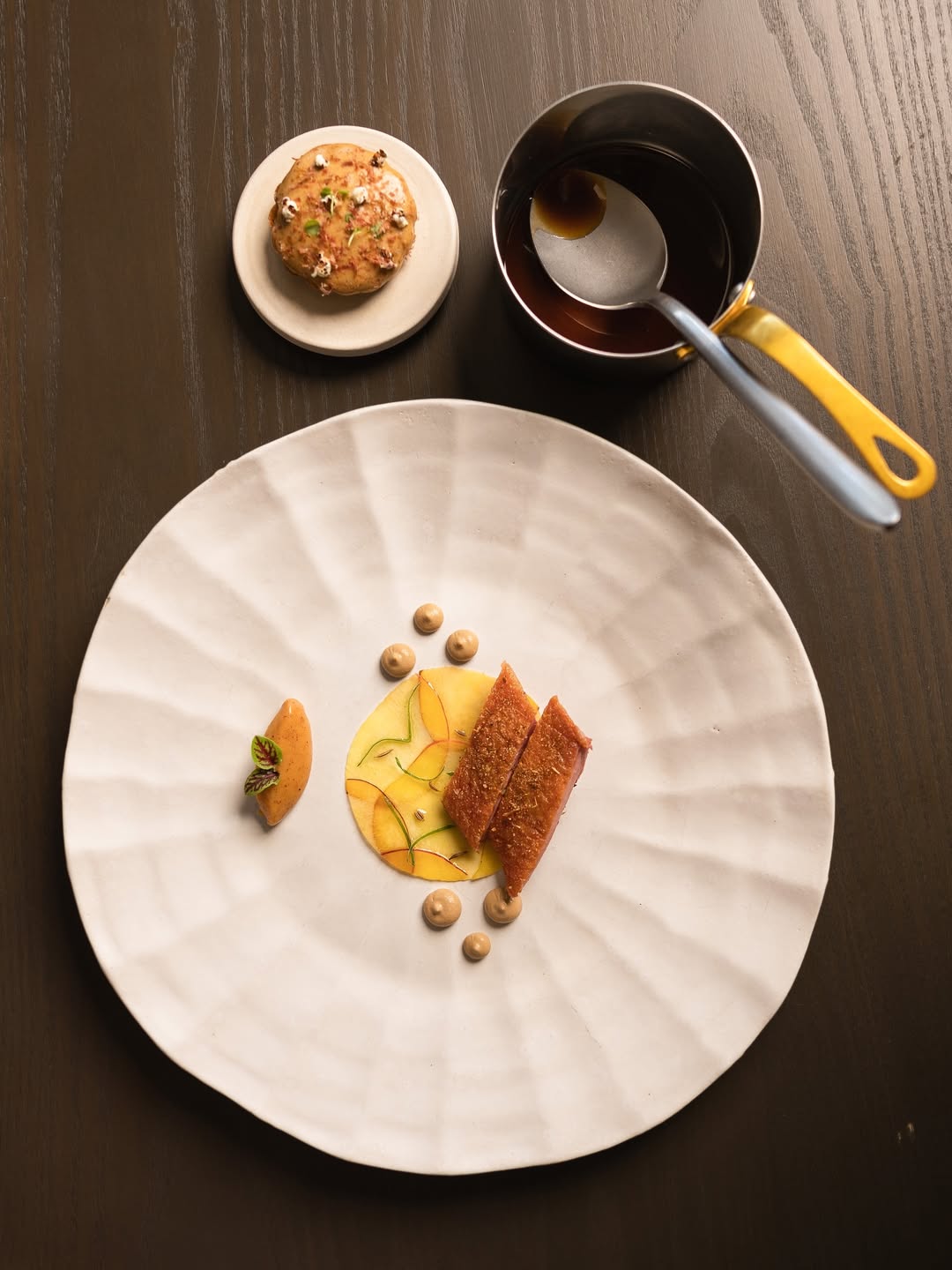
MERTIA
Chefs offer advice for restaurants navigating these challenges. Dale emphasises authenticity: “Don’t chase trends blindly. Use the protein conversation as an opportunity to refine sourcing, storytelling, and menu balance. Guests value authenticity; they want to know where their food comes from and why it’s on the plate.”
Samantha takes a broader view of protein sources: “My advice would be not to interpret ‘protein-rich’ as meaning more steak on the menu. If protein-focused diners are to be catered for meaningfully, it should be through thoughtful sourcing and good cooking – not by defaulting to industrial meat simply because it appears to meet a market preference.”
Matt suggests that creativity with alternative protein cuts can open up new opportunities and help restaurants remain adaptable and sustainable. “There should be a greater focus on alternative protein cuts rather than focusing only on primal cuts, as well as promoting whole-animal usage, including offal.”
* This article primarily focuses on animal protein. the broader protein conversation encompasses plant-based alternatives, legumes, and other non-animal protein sources, the chef insights and experiences shared here relate specifically to sourcing and preparing animal proteins in South African restaurants.

Related posts
-

-
BREAKING: Luke Dale Roberts to open restaurant in the Kalahari
-
The celebrated chef is embarking on his most ambitious project...
-
-
-
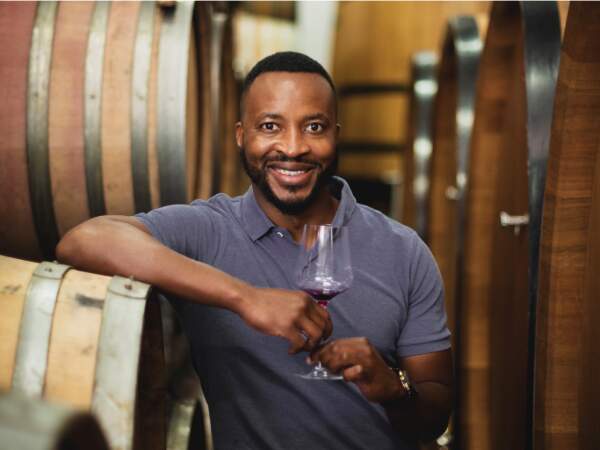
Creating connection: Sommelier Tinashe Nyamudoka on finding beauty in wine
-
It's never just a drink with...
-
-
-
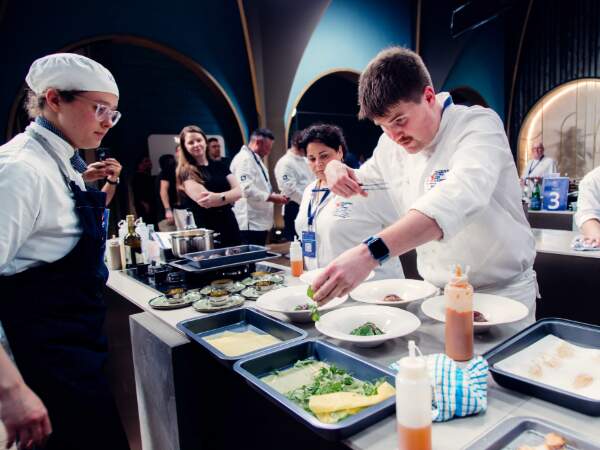
Enter now: The S.Pellegrino Young Chef Academy is open for applications
-
It's more than a culinary...
-
Promoted Restaurants
-

Kleine Zalze Restaurant
Kleine Zalze Estate is a reputable producer of a wide range of quality wines. The Kleine Zalze Restaurant offers guests the opportunity to enjoy a relaxed,...
-

96 Winery Road Restaurant
This venerable place has been part of the fabric of Stellenbosch for so long that they must be doing something right. The many people who love coming here just...
-
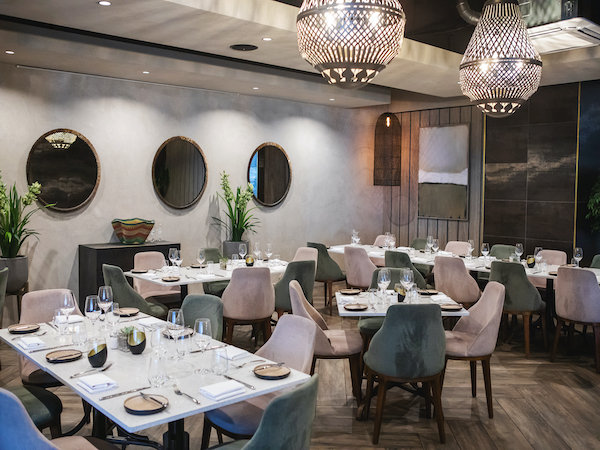
Zest Restaurant
At Zest Restaurant the chefs work behind the open plan kitchen, with its wood fire grill, and can be seen whilst creating delectable dishes. Diners are able to...
-

Evita se Perron
Our café is open 6 days a week for breakfast & lunch and you can sit down inside or outside and order from our café menu. No table bookings, walk-ins only. We are...
-

Stefan’s at Erinvale Estate Hotel & Spa
Experience a lavish Table d’hôte menu at our latest restaurant; with flavours and inspiration from all over the world, their extremely talented Chef Stefan and...
-

Tempo Luxury Restaurant
Tempo Luxury is a premier fun-dining restaurant strategically nestled in the heart of North of Johannesburg. Renowned as a luxury hybrid restaurant, we seamlessly...