


News


Eat Out Magazine teaser
Let’s talk about refrigerator real estate: what we put in there, what we take out and actually use, and what percentage of it subsequently gets squandered. I can relate to the regret of throwing out something I simply forgot to eat because it was lodged between the big bag of waterlogged salad leaves awaiting the same fate, and the bowl of leftover grains I cooked too much of the other day.
Buying too much food is a lifestyle issue that can easily be worked through. But this isn’t about the row of two-year-old condiments in your refrigerator door, or the forgotten chakalaka in the turmeric stained Tupperware. This is a more pertinent issue of the rampant food waste going on in our country, on our watch. Currently, South Africa is facing a crisis of paradoxical proportions: millions of people are starving while literal tonnes of perfectly good food go to waste every day. It’s a challenge that, despite growing awareness, continues to persist, often hidden behind the glossy, aspirational images of abundance depicted in supermarkets, fridges and food-delivery boxes.
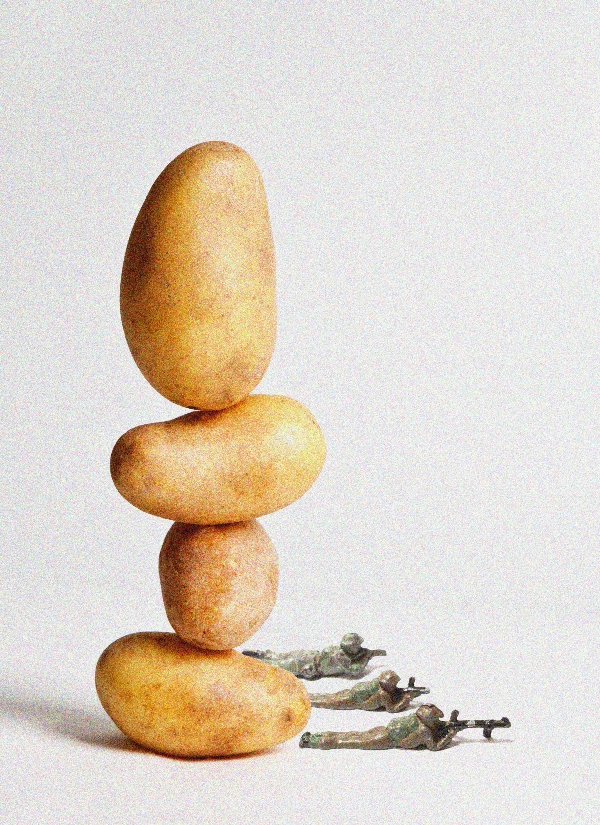
The statistics are jarring: a CSIR study has reported that two-thirds of food harvested goes to waste in the supply chain before it even reaches consumers. In a country where food insecurity is a pressing issue, and where millions of South Africans are unable to access adequate nourishment, these numbers paint a stark picture of inequality.
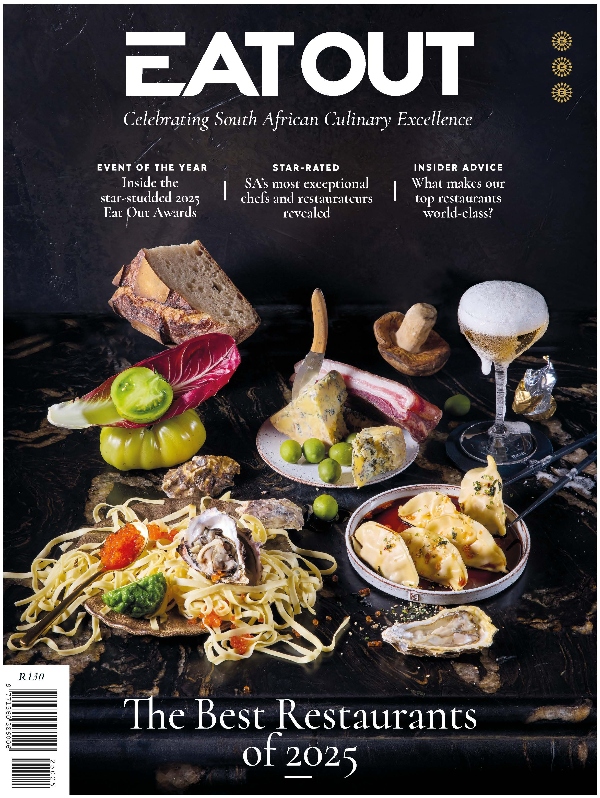
To read the full story, grab your copy of the 2025 Eat Out Magazine – on shelf at your nearest Woolies or online for R130.

Related posts
-

-
Aljoe Mario Beziek crowned Best Young Sommelier for 2026
-
This year's competition was one of the closest to...
-
-

-
Eat Out star chef Jess van Dyk joins the judging panel of Kokkedoor: Klassiek
-
The beloved cooking competition returns to...
-
-
-
WATCH: Catherine Adonis on what makes a successful pastry chef
-
And what inspires her...
-
Promoted Restaurants
-

De Grendel Restaurant
De Grendel is an inner city wine farm restaurant that forms part of the Durbanville wine route. The estate is great for locals who want to experience a full...
-
Séjour
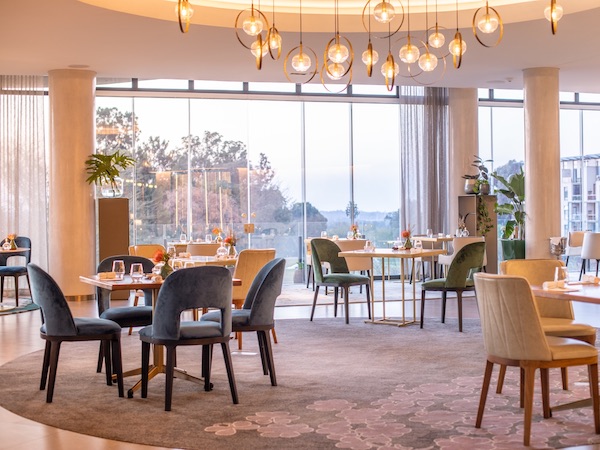
At Sejour, modern fine dining is infused with travel and exploration in dishes such as the West Coast oysters with forbidden rice dressing, Wagyu steak and...
-

Pizza Connection
There has been a spate of great new pizza places popping up in the city over the past couple of years. Pizza Connection (where Pesce Azzuro used to live) in...
-

The Manor at Nederburg
No visit to the Cape Winelands is complete without a stop-over at Nederburg’s family-friendly The Manor restaurant and wine tasting hub in Paarl. Located in the...
-
RBG Bar & Grill Restaurant
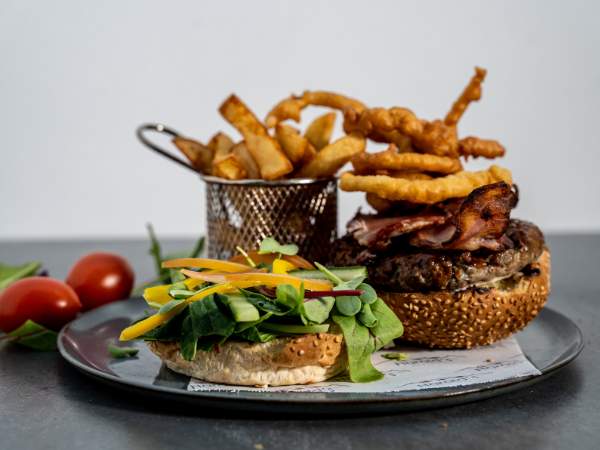
Cape Town travelers appreciate the chic yet inviting ambiance, perfect for savouring a hot soup, fresh salad or regional specialty. All-day dining makes RBG Bar...
-

Tempo Luxury Restaurant
Tempo Luxury is a premier fun-dining restaurant strategically nestled in the heart of North of Johannesburg. Renowned as a luxury hybrid restaurant, we seamlessly...