


News
The realities of expanding a restaurant business: Insights from SA chefs
Friday, February 13th, 2026

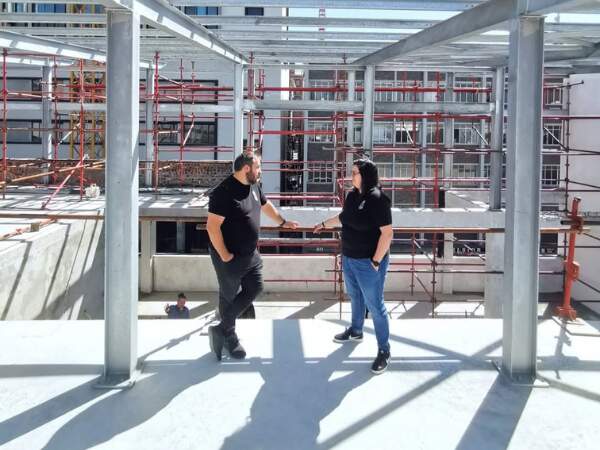
The conversation around building a restaurant empire requires more than architectural blueprints and financial backing. The foundations must be rooted in clear identity, sustainable systems, and genuinely knowing when to take the leap. Some restaurateurs expand based on opportunity; others wait for the perfect storm of talent, location, and market readiness.
According to Eat Out star chefs who have built a portfolio of restaurants, the answer lies not in ambition alone, but in understanding when, how, and why to grow. Their success hasn’t come from following a template – it’s emerged from developing distinct philosophies that guide every decision.
Chef Scot Kirton from The La Colombe Group emphasises that successful expansion begins with unwavering principles. “We believe in serving the highest quality produce, cooking food people want to eat, with bold, punchy flavours, paired with world-class service in incredible locations.” The La Colombe Group consists of: La Colombe Restaurant, Foxcroft, Little Fox, La Petite Colombe, PIER, The Waterside Restaurant, Epicé, and Protégé.
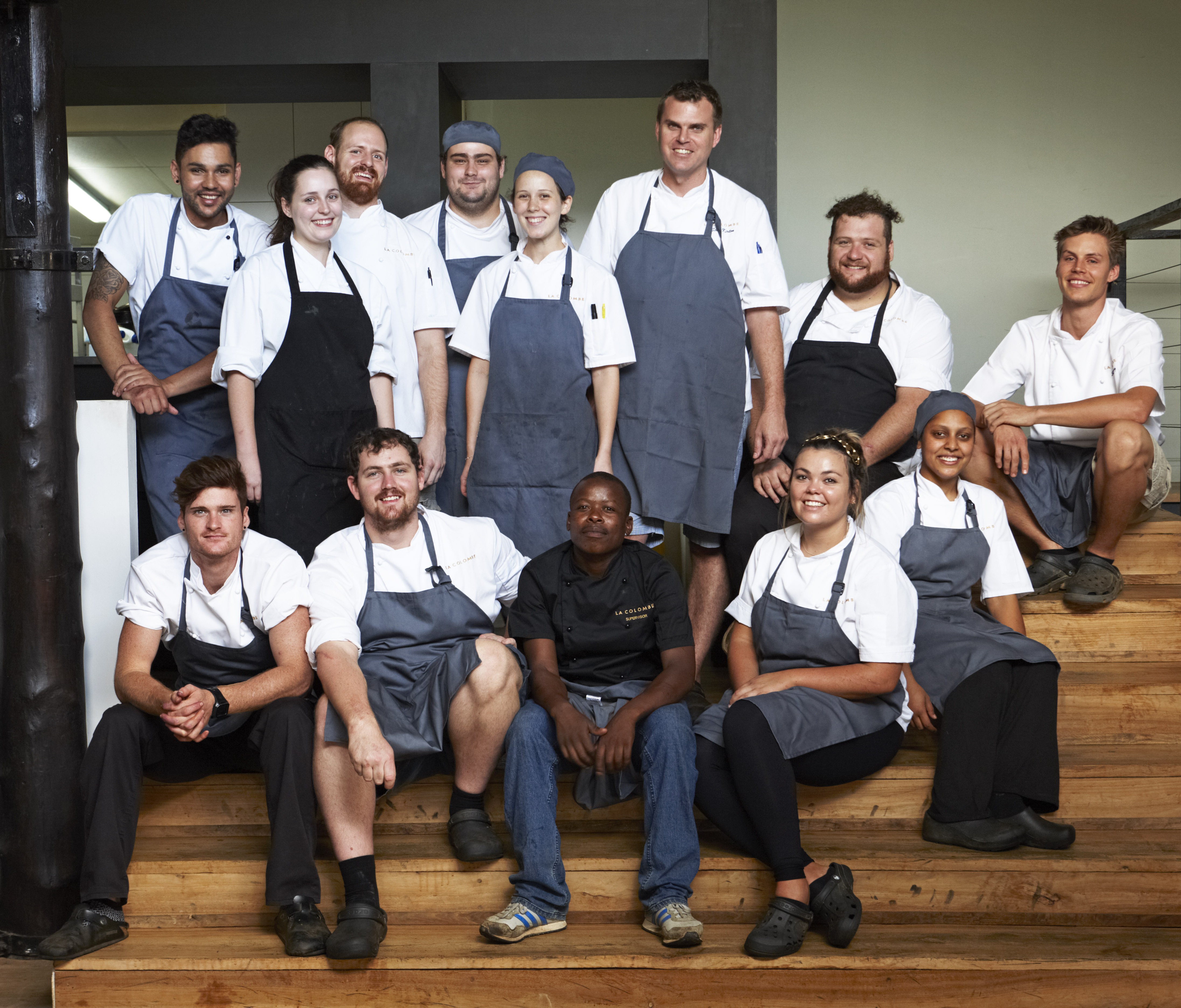
The La Colombe Group
Luke Dale Roberts approaches expansion through the lens of consistency and relationships. “Flavour is always the starting point,” he says. “Everything else follows from that. Long-term relationships and trust within the team have been central to our success. I have been fortunate to work with chefs who have been part of the journey for many years, including Jason Kosmas at The Pot Luck Club, Carla Schulze at SALON, Nathan Clarke at The Test Kitchen Fledgelings, and Ebie du Toit at The Pot Luck Club Johannesburg.”
For Neil Swart and Anouchka Horn from Belly of the Beast, expansion philosophy centres on authenticity. “At the heart of everything we do is trust, memory, locality, and flavour. We start from nostalgia and personal food memories, then reinterpret them using local South African ingredients,” they explain. The group is made up of Belly of the Beast, Galjoen, and Seebamboes, all located in Cape Town’s Harrington Street.
David Higgs from Marble Hospitality Group highlights that expansion means personal involvement and accountability in everyday operations. “Our success comes down to doing the basics extremely well: quality ingredients, consistency, attention to detail, and treating both guests and staff with respect.” The Marble Group consists of Marble Johannesburg, Marble Cape Town, Saint, Zioux, and Pantry by Marble.

Marble Group
These principles aren’t just marketing statements—they become the frameworks that guide expansion decisions, staff training, and operational standards across multiple locations.
The decision to open a second, third, or seventh restaurant requires more than enthusiasm. Successful restaurant groups have developed specific indicators that signal readiness for growth.
Scot takes a people-first approach to expansion timing: “We have massive confidence in our teams; they are all run by chefs who have worked within the group for many years and know what is expected of them to succeed. The only time we decide to grow the group is when we have a young, talented chef itching to step up and take the next step in his or her career.”
Luke emphasises long-term stability over quick wins. “We look for consistency over time rather than short-term success. Strong repeat business, stable teams, and restaurants that perform well without needing my constant presence are key indicators,” he explains. “Financial sustainability is obviously important, but so is whether a concept genuinely fits its location and audience.”
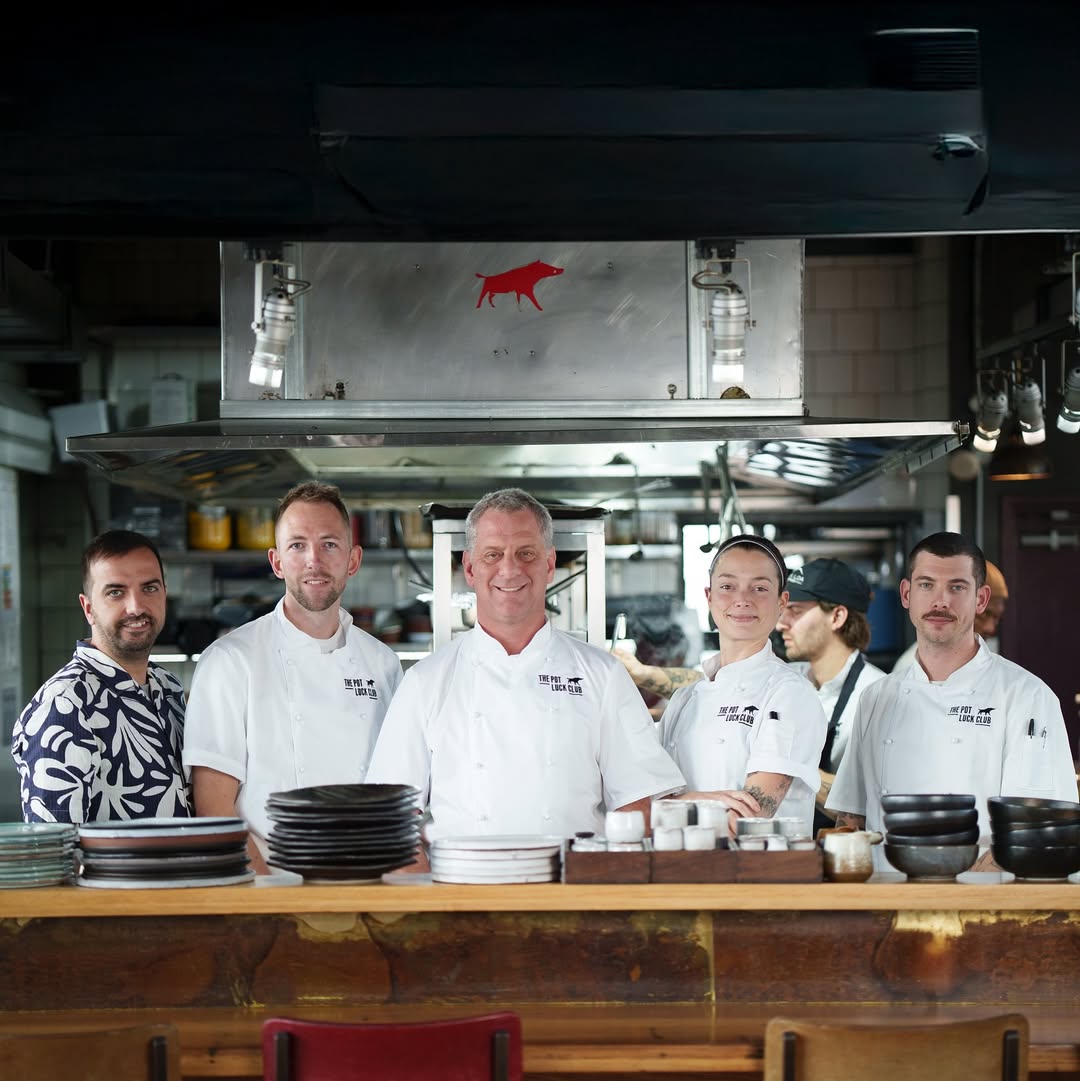
Luke Dale Roberts Group
Belly of the Beast approaches expansion with deliberate caution. “We don’t expand based on scale alone,” they note. “Consistency, team stability, financial sustainability, and whether the existing restaurants can run well without our constant presence are key indicators. New restaurants only happen when we feel something is genuinely missing in the dining landscape, not because growth feels expected.”
David points out that expansion is determined by steady performance over time. “When a restaurant has loyal guests, a strong team, healthy finances, and growing demand, it tells us the brand is ready to grow without losing its identity,” he adds.
Running multiple restaurants brings unique operational challenges that single-location operators rarely face. Understanding these challenges is crucial for anyone considering expansion. Staffing emerges as the primary concern for most groups. “The biggest challenges are generally staffing them. We currently have almost 500 employees, which is challenging at the best of times,” Scot explains. “But there are always new opportunities opening up, so staff know that with hard work and commitment, it’s easy to move up the ladder.”
Luke identifies time management as his greatest challenge. “Time is the biggest challenge. You cannot be everywhere at once. The solution is surrounding yourself with people you trust and empowering them to take ownership,” he says. “Another challenge is growth without dilution. We expand carefully and only when we are confident that quality, culture, and creativity will not be compromised.”
The Belly of the Beast team faces the challenge of managing expectations whilst building strong teams. “People and expectations are the biggest challenges. Guests sometimes arrive expecting something we don’t do, and it takes time to educate without compromising who we are,” they explain. “Internally, building strong teams and preventing burnout is crucial.”

Belly of the Beast
The restaurant groups offer valuable advice for those considering expansion, drawn from years of experience managing multiple locations. Scot emphasises the importance of having the right people before attempting growth. “You can’t do everything yourself; have faith in your team and give them all the tools they need to succeed. You need to keep them inspired constantly,” he advises. “You need the right individuals to grow, as you can’t be in two places at once. If you don’t have those individuals that you know and trust, don’t attempt to grow.”
Luke advocates for patience and solid foundations. “Focus on getting one restaurant right before thinking about more. Build strong teams, clear systems, and a healthy culture from the start,” he suggests. “Expansion should come from confidence and readiness, not pressure or ego. Stay curious, stay grounded, and never lose sight of why you cook.”
Neil and Anouchka echo this sentiment about timing and purpose. “Don’t rush. Make sure your first restaurant is truly solid before thinking about expansion. Build a team you trust, stay curious, and only grow when it feels intentional,” they advise. “Expansion should come from purpose, not pressure.”
David advises, “Build strong systems, surround yourself with good people, stay hands-on, and grow at a pace you can control.”


Related posts
-

-
WATCH: Ryan Cole on being voted the Chefs’ Chef
-
We sat down with the chef to get his insights....
-
-
-
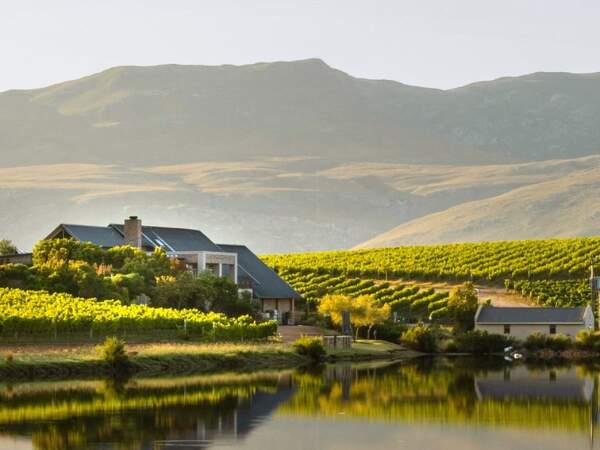
Top wine farm restaurants in South Africa
-
These Eat Out star establishments showcase the perfect marriage of...
-
-
-
WATCH: Johannes Richter is on a winning streak
-
A look at the chef's formula for...
-
Promoted Restaurants
-
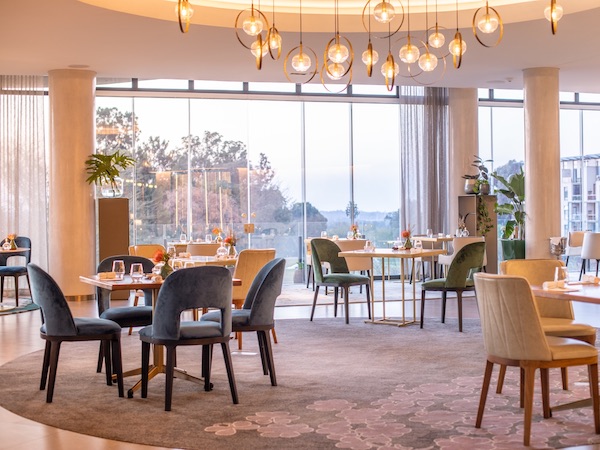
Séjour
At Sejour, modern fine dining is infused with travel and exploration in dishes such as the West Coast oysters with forbidden rice dressing, Wagyu steak and...
-

Stellenzicht Wine Pod
Our Wine Pod is our unique tasting room on our estate. It was designed to bring nature into the structure. Because of this, when you are enjoying a glass of elegant...
-

The 11th Floor
ROOFTOP RESTAURANT & COCKTAIL BAR IN BEDFORDVIEW Step into a realm of culinary excellence at our international award-winning restaurant, and be transported to the...
-
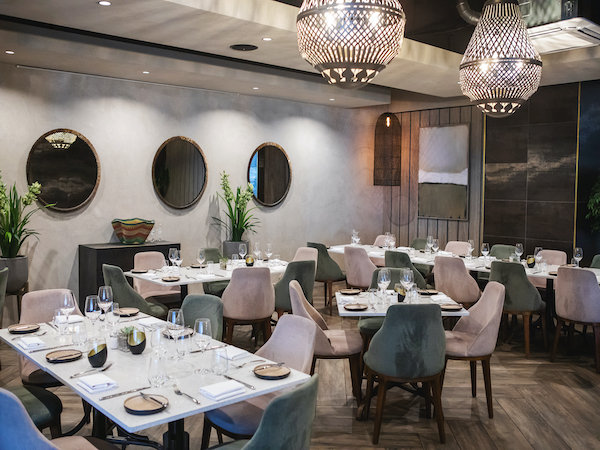
Zest Restaurant
At Zest Restaurant the chefs work behind the open plan kitchen, with its wood fire grill, and can be seen whilst creating delectable dishes. Diners are able to...
-

The Alba Harties Harbour
Welcome to Harties Harbour, situated in the Kommandonek Wildlife Resort, your one stop venue for the best that Hartbeespoort Dam has to offer. Daily Lunch and...
-

Evita se Perron
Our café is open 6 days a week for breakfast & lunch and you can sit down inside or outside and order from our café menu. No table bookings, walk-ins only. We are...