


News
How SA chefs are navigating the wellness movement in dining
Thursday, October 2nd, 2025

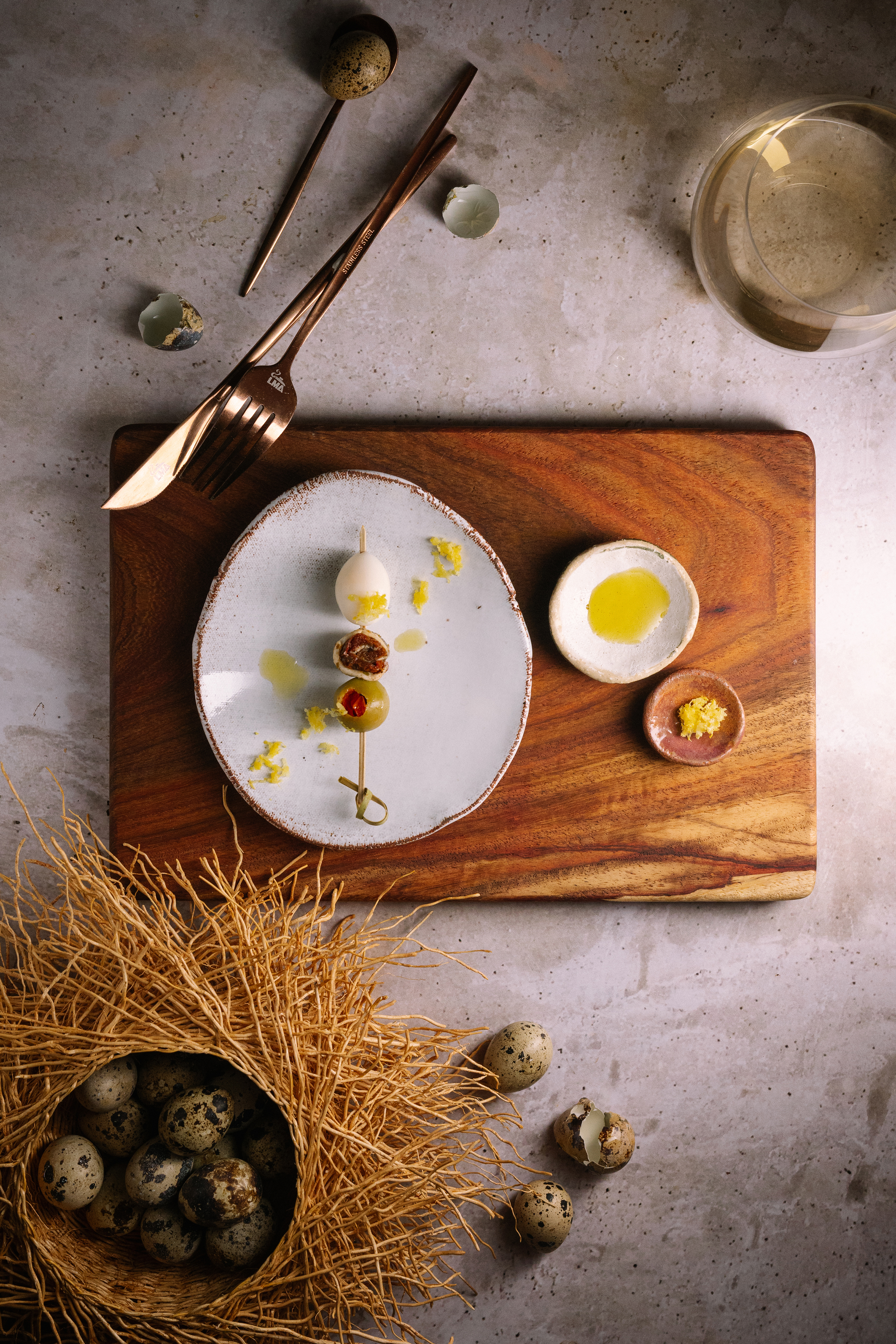
Wellness culture is at the forefront of modern dining and has become an important factor in how food is experienced in everyday life. This is supported by data from the Global Wellness Institute, which reveals that wellness investments totalled $6.3 trillion in 2023, exceeding the scale of the technology, sports, and green economy sectors combined. This growth is anticipated to reach $9 trillion by 2028.
Today, diners seek more than just exceptional flavours, they want meals that nourish both their body and dining experience, without sacrificing the artistry that makes eating out special. The question is: how do restaurants navigate this delicate balance between health consciousness and culinary creativity?
For many chefs, wellness is not an add-on or simply putting “healthy options” on the menu, it’s a philosophy that begins with the very foundation of their ingredients.
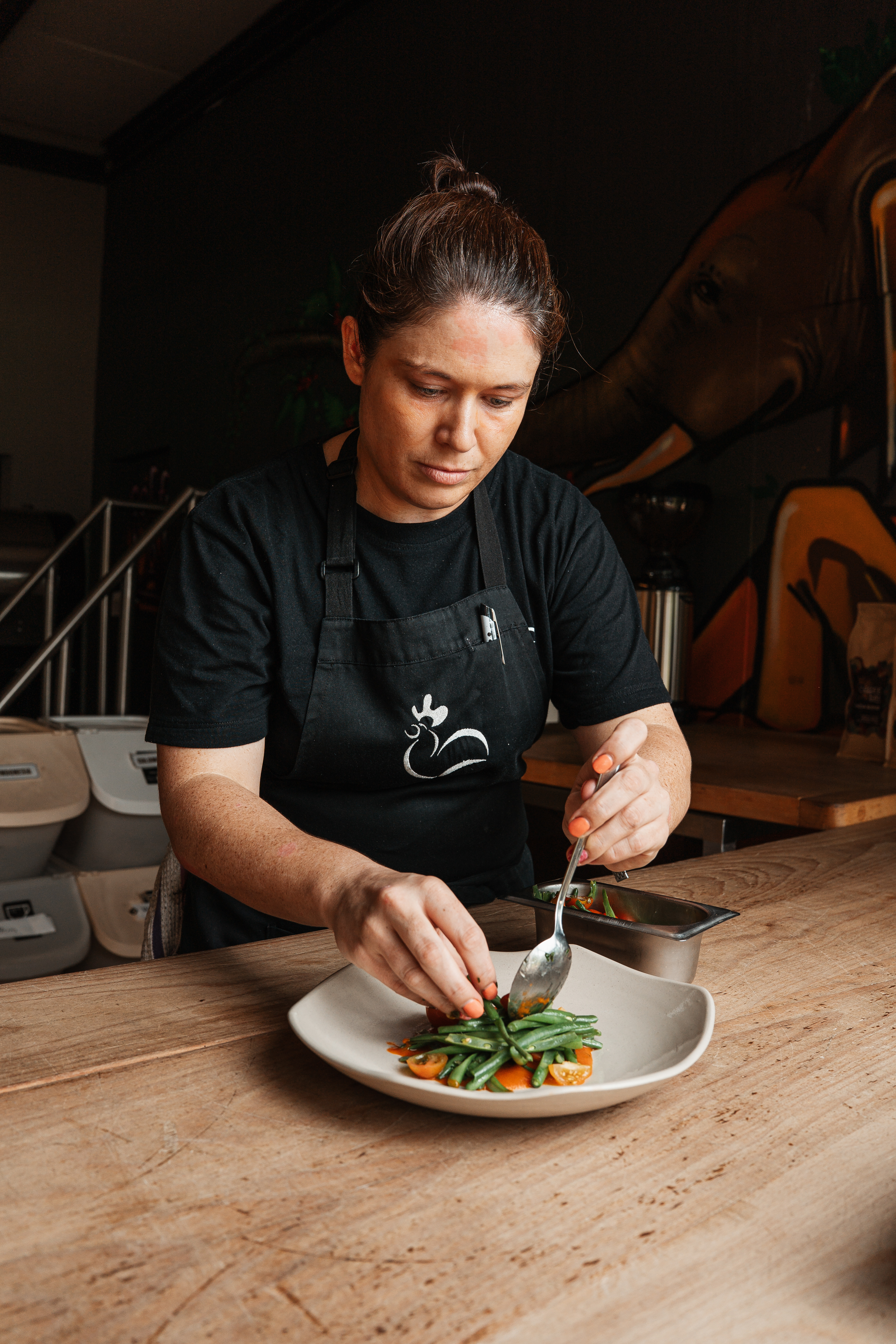
Chef Daniela Gutstadt
“For me, wellness in dining is about honesty and balance,” explains chef Daniela Gutstadt of Eat Out star restaurant Culinary Table in Lanseria. “It’s not about cutting things out or following trends, but about food that’s grown properly and cooked with care. If you start with ingredients at their best, flavour and nutrition are already there.”
This philosophy that the pursuit of wellness often leads to more, not less, flavourful food resonates with others in the industry. Chef Amori Burger of Eat Out star restaurant Upper Union in Cape Town takes a similar approach: “Maintaining flavour while increasing nutrition starts with respect for the ingredients, and using vibrant African produce, whole spices and house-made ferments. This unlocks a depth of flavour and the vitality of the produce without relying on excess fats, sugars or processed additives.”
“We integrate evidence-based nutrition, anti-inflammatory ingredients and sensory-focused hospitality – such as handwash rituals and natural tonics – ensuring that nourishment and pleasure coexist in every dish and pairing,” says Executive Chef Eleanor Coetzee of Eat Out star restaurant Creation Wines Tasting Room in the Hemel-en-Aarde valley.
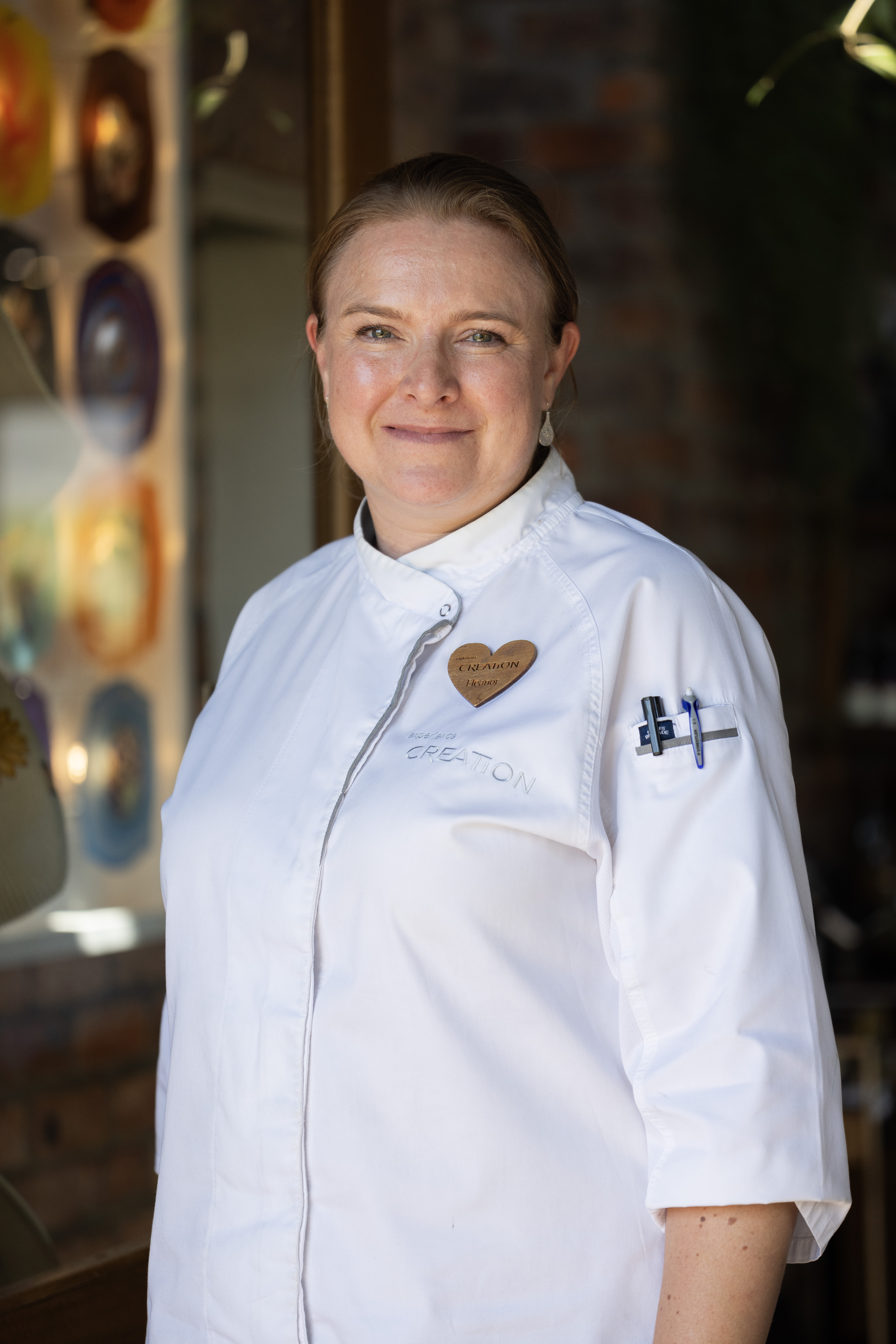
Chef Eleanor Coetzee
At the heart of nutrition-focused dining lies the relationship between chef and supplier. The farm-to-table movement has become a necessity for restaurants serious about flavour and wellness.
“We source directly from trusted local growers and artisans, adjusting our menus with the seasons. This keeps ingredients fresh and sustainable while giving guests a true taste of place, any time of year,” says Amori.
The balance between local sourcing and high-quality ingredients speaks to a deeper understanding of sustainability. Daniela shares: “We rely on close relationships with farmers and small producers, and our kitchen garden sets the rhythm of the menu. When we can’t grow it ourselves, we look to farmers who share our values. And while local comes first, authenticity matters too.”
One of the biggest challenges facing restaurants today is accommodating diverse dietary needs while maintaining a cohesive culinary vision. The days of limited vegetarian and vegan options are over, replaced by menus where plant-based ingredients take centre stage alongside traditional proteins.
Creation Wines has embraced this shift with a comprehensive approach. “Menus are crafted with a strong plant-based foundation, featuring vegan, vegetarian, gluten-free and dairy-free options verified by integrated medicine specialists. Local fish, lamb and beef appear seasonally, and no dish is designed as an afterthought for restrictive diets,” explains Carolyn Martin, co-owner and marketing director. They enhance their offerings with “South African indigenous botanicals, such as waterblommetjies, viola, and buchu, adding both nutritional and cultural value.”
An obstacle when it comes to nutrition-focused dining is shifting diners’ perceptions. “A key challenge is that many guests equate ‘nutritious’ with ‘less enjoyable’, so the work lies in surprising them with dishes that are nutritious and still generous and satisfying. We also have to maintain that balance consistently, even as seasons shift and produce changes,” says Amori.
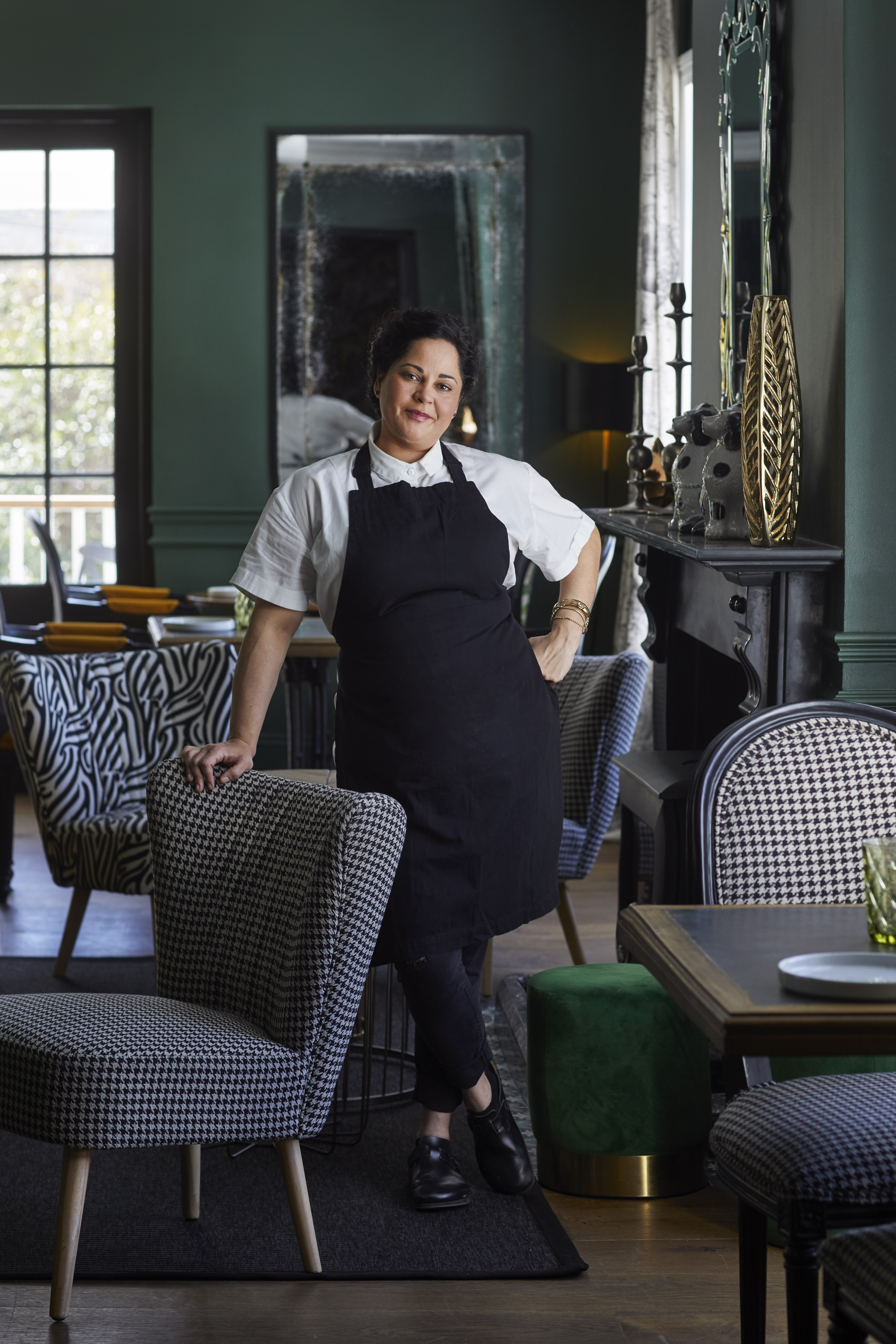
Chef Amori Burger
Wellness in the dining scene represents more than a shift in menu offerings – it’s a return to fundamental cooking principles that prioritise quality, seasonality and respect for ingredients. For restaurants looking to embrace wellness-focused practices, the chefs offer some advice. “Start with where your food comes from. Get to know your suppliers, cook from scratch, and don’t overcomplicate things. Wellness isn’t something you need to add on. If the sourcing is good and the cooking is simple and respectful, it’s already there,” says Daniela.
Carolyn recommends a holistic approach: “Offer inclusive menus for all dietary needs, build ongoing staff wellness education, and integrate rituals and hospitality that connect guests holistically to food, land and culture.”
Amori adds: “Don’t treat wellness as a trend, rather weave it into your restaurant’s culture. Focus on seasonality, smart cooking methods and staff training. This makes sure that wellness not only shows up on the plate, but also in the overall guest experience.”

Related posts
-


-
Creating connection: Sommelier Tinashe Nyamudoka on finding beauty in wine
-
It's never just a drink with...
-
-
-
Enter now: The S.Pellegrino Young Chef Academy is open for applications
-
It's more than a culinary...
-
-

-
Announced: The Eat Out Special Awards
-
Stay updated on the Eat Out Woolworths Restaurant...
-
Promoted Restaurants
-
Séjour
At Sejour, modern fine dining is infused with travel and exploration in dishes such as the West Coast oysters with forbidden rice dressing, Wagyu steak and...
-

Harald’s Bar & Terrace
This relaxing venue is an ideal spot to enjoy a cocktail, wine, or beer in a fun-filled atmosphere. Take in splendid views of Table Mountain and savour tasty...
-

The Manor at Nederburg
No visit to the Cape Winelands is complete without a stop-over at Nederburg’s family-friendly The Manor restaurant and wine tasting hub in Paarl. Located in the...
-

The President Hotel – Restaurant Group
The President Hotel has a host of dining options available under one roof. Whether you’re in the mood for a romantic dinner, casual coffee, quick lunch or hearty...
-

De Grendel Restaurant
De Grendel is an inner city wine farm restaurant that forms part of the Durbanville wine route. The estate is great for locals who want to experience a full...
-

Yamitsuki
Founded in 2000, Yamitsuki introduced the concept of Japanese style cuisine, presented to customers via a unique conveyor belt system. The experience was fun and...