


News
Dining trends and the evolution of the chef’s table experience
Thursday, June 4th, 2026

Across South Africa, chefs are using intimate formats to reshape dining into something more personal, more theatrical and often more marketable. Whether set inside a working kitchen, across a counter or around a communal table, the appeal is the same: proximity. For diners, that means front-row seats to the action. For chefs, the opportunity to demonstrate their craft in real time. For both, a rare opportunity to interact face to face.
In-kitchen seating
The original model remains the kitchen table, where guests witness the intricate mechanics normally hidden behind swinging doors. The Mount Nelson Hotel in Gardens, Cape Town, has long offered this immersive dining experience. Executive chef Luke Lawrence Barry says the format changes menu design completely. “You’re designing a menu that unfolds like a conversation, not a list of dishes.”
That closeness also allows chefs to adapt in real time. “You can read the table, adjust pacing, even lean into certain flavours or stories depending on the guests. It’s a much more personal way of cooking,” he says.
The visibility affects chef behaviour too. “You become more intentional, not only in how you cook, but how you move, how you plate, how you communicate. There’s a natural dialogue that forms, and that shapes the flow of the evening,” observes Luke.
Kitchen-table dining appeals because it’s a privilege to see what’s normally hidden away. “It keeps you honest. There’s no hiding behind the pass. It’s just you, your team and the craft. That transparency elevates standards in a very real way,” he reveals.
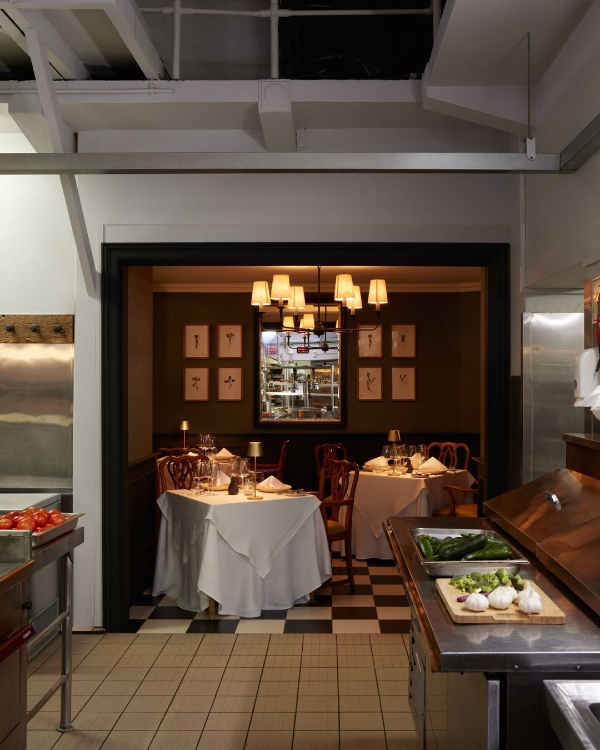
Instagram | @belmondmountnelsonhotel
Counter seating
Another format is the high counter, where diners face the action. This style borrows from sushi bars and modern tasting-menu restaurants, turning service into live performance. Eat Out three-star restaurant and Restaurant of the Year for 2026, FYN, in the centre of Cape Town, is among the country’s best examples, with elevated chef seats overlooking the kitchen.
Group culinary director Ashley Moss says diners come seeking more than food. “At the kitchen counter, diners are expecting more interaction and more connection. They often show real interest in the techniques and preparation behind our dishes, the way someone might want a behind-the-scenes pass on a movie set,” he says.
That curiosity also brings scrutiny. In the right kitchen, though, that pressure can sharpen standards and energy. “Having people enjoy the experience right in front of you creates a platform for a mirrored sentiment in the kitchen. We get to enjoy it together, rather than from behind a wall or in another room,” shares Ashley.
“The most rewarding moments come when diners are engaging directly with us, when it’s clear that we’re augmenting their dining experience. At the same time, that’s what makes it particularly demanding, because it adds a sense of responsibility. The onus shifts from providing a culinary journey to one that is more holistic and personal.”
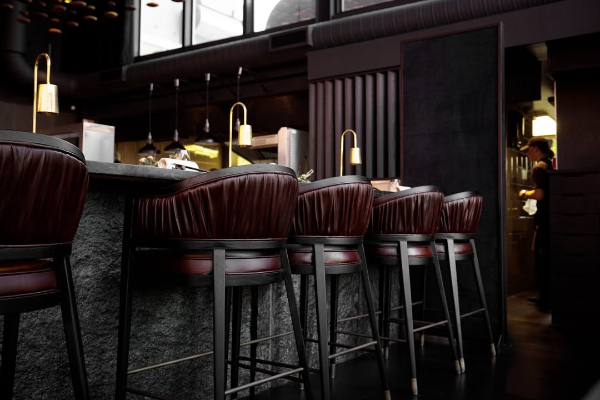
Instagram | @fynrestaurantcpt
Communal seating
Then there’s the communal table. Eat Out star restaurant Reverie Social Table in Observatory, Cape Town, remains a benchmark, seating strangers together for a dinner built around conversation. While here, guests can’t actually see the kitchen, they’re guided through courses by the chef.
Chef-owner Julia Hattingh believes diners increasingly crave connection. “In this digital, disconnected age we live in, being able to have an actual conversation with another person is an absolute luxury,” she says.
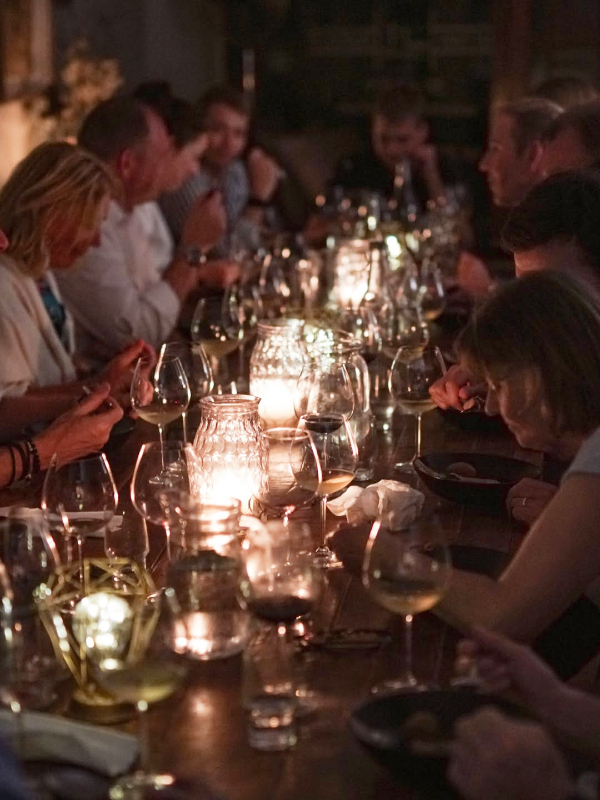
Instagram | @reveriecapetown
“If guests are comfortable and enjoying themselves, the food and wine just emphasise the experience.”
This model comes with its own demands. A difficult guest or flat table dynamic can alter the night, requiring the chef to act as cook, host and social conductor all at once. To facilitate interaction – and minimise social pitfalls – Julia implements a mid-meal seat change to energise the room.
Elsewhere, Eat Out star restaurants continue to reinterpret the chef’s table format. In KwaZulu-Natal, The Chefs’ Table and The LivingRoom at Summerhill Estate bring the kitchen into the restaurant itself, while Cape Town’s La Colombe offers chef-side seating and Pier has a table beside the pass. Counter experiences can also be found at Hōseki, Protégé, The Pot Luck Club, The Wiggle Room and COY Restaurant, while shared-table formats include The Table at De Meye, Vuur and Table Seven.
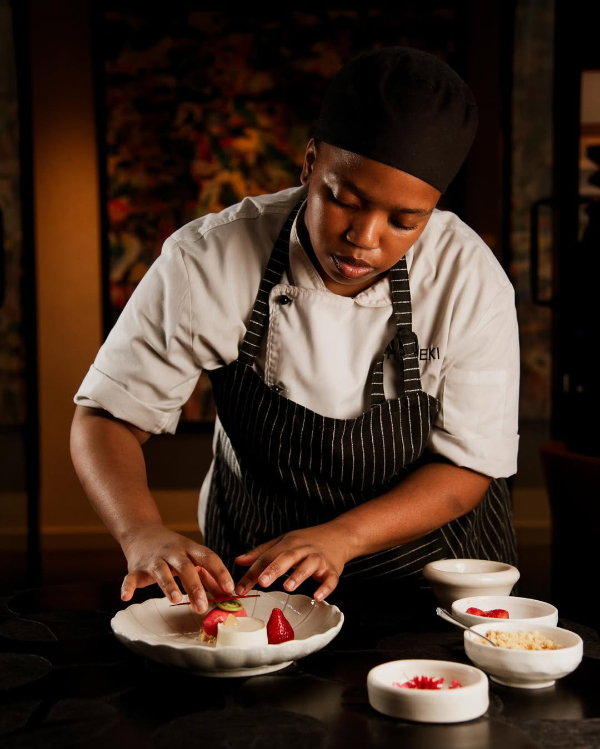
Instagram | @hoseki_delairegraff
What unites them is a changing definition of luxury. Diners once sought silver cloches and hushed formality; now they want access, authenticity and a story worth retelling. If traditional fine dining was about polish, the chef’s table is about presence – bringing chefs and guests closer than ever before.


Related posts
-

-
Chef Aren Pollack bids farewell to Embarc to start a new chapter in the Cape
-
The Eat Out award-winning chef shares where he's headed to next....
-
-
-
KZN Eat Out star chefs collaborate on exciting lunch series
-
Durban's culinary powerhouses...
-
-
-
Where to sip: these Eat Out star restaurants are worth visiting for drinks alone
-
You don't need to book a tasting menu to experience one of South...
-
Promoted Restaurants
-

Grande Roche Restaurant
Grande Roche Restaurant is a grand old lady with a fresh set of pearls and vibrant lipstick. Chef Kevin’s food style is an ever evolving feeling and depends...
-

De Grendel Restaurant
De Grendel is an inner city wine farm restaurant that forms part of the Durbanville wine route. The estate is great for locals who want to experience a full...
-

Stefan’s at Erinvale Estate Hotel & Spa
Experience a lavish Table d’hôte menu at our latest restaurant; with flavours and inspiration from all over the world, their extremely talented Chef Stefan and...
-

Tempo Luxury Restaurant
Tempo Luxury is a premier fun-dining restaurant strategically nestled in the heart of North of Johannesburg. Renowned as a luxury hybrid restaurant, we seamlessly...
-

Kleine Zalze Restaurant
Kleine Zalze Estate is a reputable producer of a wide range of quality wines. The Kleine Zalze Restaurant offers guests the opportunity to enjoy a relaxed,...
-
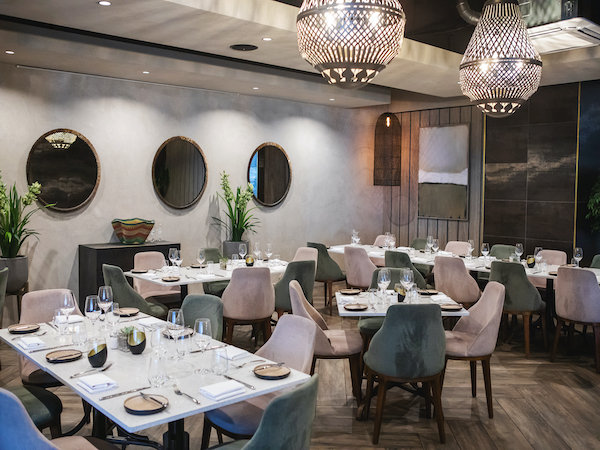
Zest Restaurant
At Zest Restaurant the chefs work behind the open plan kitchen, with its wood fire grill, and can be seen whilst creating delectable dishes. Diners are able to...