


News
Q&A with Moët & Chandon Cellar Master Benoît Gouez on Champagne and craftsmanship
Thursday, May 7th, 2026

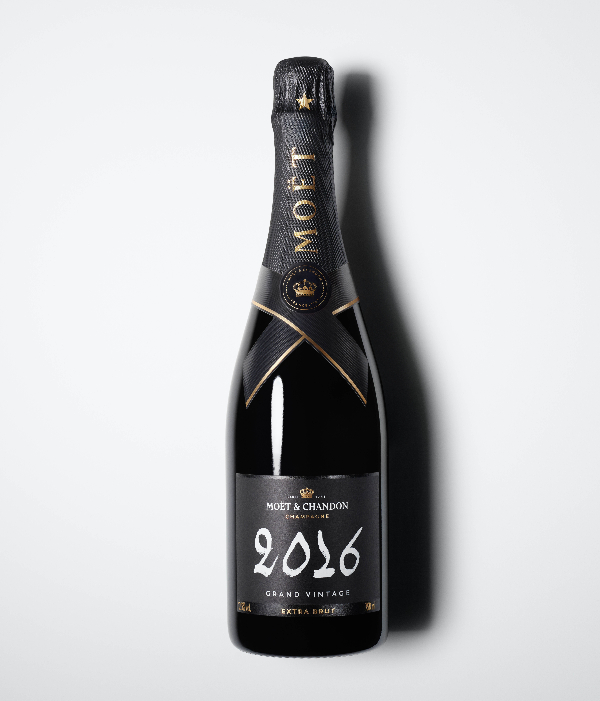
There’s a tendency to think of champagne as something reserved for big celebratory moments, but the craft at Moët & Chandon is far more nuanced. Each bottle reflects not just a place, but balance, decision-making and time spent quietly evolving in the cellar. We spoke to Cellar Master Benoît Gouez about what goes into that process – from blending more than 1,000 base wines to defining what makes a vintage truly distinctive, particularly as Moët & Chandon celebrates the anniversary of their Grand Vintage 2016. Along the way, the conversation moves beyond technique into something more personal: how champagne connects people, and why it continues to hold its place at the table.
Eat Out: What is the philosophy of the Moët & Chandon brand?
Benoît: The nature of champagne is the source of our wines. Preservation is part of the crafting process. There are many expressions, and the mission with Moët & Chandon is to balance the different nuances. As Cellar Master, I believe that sensitivity regarding wine is essential. To me, champagne is an emotional connector – something that allows people to share joy, happiness, and celebration. That is at the heart of what we do.
What do you want people to understand about Moët & Chandon – both its heritage and its identity today?
Moët & Chandon is an estate that was established a long time ago, but its identity today is also shaped by its scale and diversity. We produce around 1,000 different base wines each year, tasting them multiple times to select the elements needed for each expression – whether for a vintage, reserves, rosé or nectar. For me, this diversity is a treasure.
What makes the Grand Vintage 2016 distinctive in your role as Cellar Master?
What matters is its uniqueness – the balance between its fruitiness and yeastiness. It should have intensity but not excess, and delicacy without losing character. During the tasting and blending, the 2016 vintage already showed great promise. Over a period of seven years in the cellar, I had the privilege of watching it fully reveal its character – something deeply rewarding, a true testament to excellence born from turbulence. A vintage tells the vision of the year: the climate, the decisions made and the emotions experienced during tastings.
Walk us through your tasting process when evaluating thousands of wines – how do you train and maintain your palate?
Without technical skill, you cannot make great wines in the long term, but without sensitivity, you may never make a truly great one. Blending is a beautiful method – it offers the ability to adjust colour, aroma and texture with precision. It is both a technical and intuitive process, requiring consistency, discipline and a deep sensitivity to how each wine evolves.
If you could change one widespread misconception about champagne, what would it be?
Champagne is often saved for special occasions, but I believe in celebrating the smaller moments more often. It’s an experience that captures a moment in time, shaped by care and brought to life through feeling. I prefer the idea of the journey and the dialogue – something more dynamic, evolving and alive.
How do you go beyond classic champagne pairings that everyone expects, and what drives you to explore new combinations?
An ideal pairing is not just about the wine and the food – it is about the people, the place and the mood. It cannot be reproduced; it exists as a moment. I enjoy it when food and wine respect each other, but also when the food challenges the wine to reveal more of its qualities than it would on its own. I am always drawn to a sense of contrast and dialogue. My chef and I have established guiding principles: chromaticity (the art of seeing colours), which prepares you for what you are about to taste and smell, and simplicity – keeping things in threes, with one main element, one to complement and one to contrast. From a technical perspective, champagne has no inherent saltiness, so salinity must be introduced through the food. It also does not favour dryness – whether meat or fish, the dish should remain juicy. Texture is equally important, as it interacts with the effervescence to shape the overall experience.

Related posts
-

-
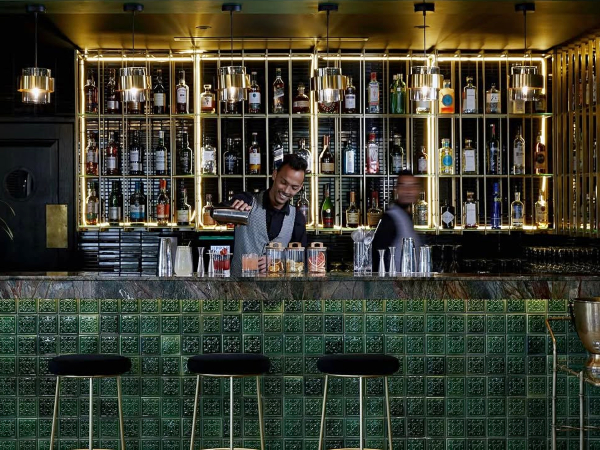
Where to sip: these Eat Out star restaurants are worth visiting for drinks alone
-
You don't need to book a tasting menu to experience one of South...
-
-
-
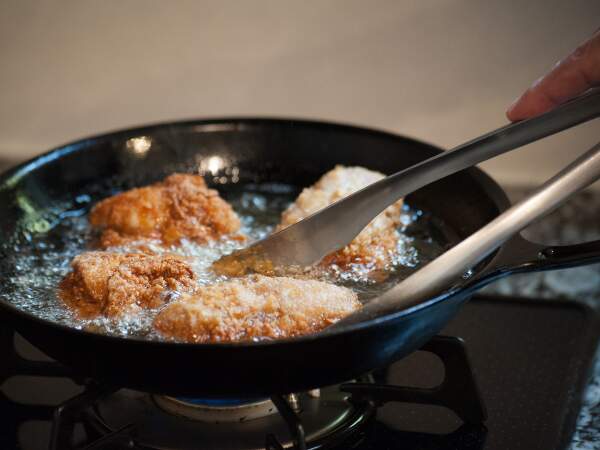
Designed for busy kitchens
-
How smarter packaging is helping kitchens improve efficiency behind...
-
-
-
Aljoe Mario Beziek crowned Best Young Sommelier for 2026
-
This year's competition was one of the closest to...
-
Promoted Restaurants
-

Orangerie at Le Lude
There’s something innately celebratory about visiting an estate like Le Lude that specialises in Methode Cap Classique. Naturally, this adds an extra sparkle...
-

The Alba Harties Harbour
Welcome to Harties Harbour, situated in the Kommandonek Wildlife Resort, your one stop venue for the best that Hartbeespoort Dam has to offer. Daily Lunch and...
-


Judd’s Local
Judd’s Local is a family run business founded in 2017 by Erna Judd & Bryan-John Judd. Starting with a small bakery in the winelands, the Judd’s decided to...
-

Vivace Bar & Restaurant at Radisson Blu (Sandton)
Located on the 13th floor, Vivace Bar & Restaurant offers patrons striking views of Sandton City and Johannesburg alike. Complement your meal with a variety of...
-
Zest Restaurant
At Zest Restaurant the chefs work behind the open plan kitchen, with its wood fire grill, and can be seen whilst creating delectable dishes. Diners are able to...
-

Bistro31
Bistro31 Bar & Eatery is based on the Ground Floor of the DoubleTree by Hilton Cape Town Upper Eastside hotel. We are open from 06:30 to 23:00, for breakfast, lunch...